

The Lord of Hatred expansion launches on April 28th and brings with it a complete overhaul of how Diablo 4's endgame functions. At the center of that overhaul sits War Plans, a new system that finally gives players direct control over what endgame content they run, how that content behaves, and what kind of loot it drops. If you've ever felt like Diablo 4's endgame activities were just floating around with no real connection to one another, War Plans is Blizzard's answer. Here's everything we know about how the system works, what it rewards, and how to set up the best skills tree for different activities and farm efficiently once Season 13 goes live.
Diablo 4 War Plans Guide (Lord of Hatred & Season 13)
War Plans is a two-part endgame system that opens up after you complete the Lord of Hatred expansion campaign. It was first revealed during the overhauled endgame segment of the Lord of Hatred gameplay trailer, where players saw an adventurer approach a large tactical table with a world map spread across it, surrounded by cartography tools and scrolls.
What are War Plans?
At its core, War Plans is a structured playlist and progression system for all of Diablo 4's existing endgame activities. You choose what content you want to run, you apply modifiers to change how that content plays, and you earn rewards, both from the activities themselves and from the War Plans system layered on top. Game Director Zaven Haroutunian described the problem it was built to solve: before War Plans, the endgame activities were "all just kind of floating around and aren't really connected to one another," and there was "nothing giving players a way to structure their endgame."
The comparison that keeps coming up is Path of Exile's Atlas Tree. War Plans gives Diablo 4 a version of that concept, a meta-progression layer that lets you spec into specific endgame activities, customize their difficulty and spawns, and target specific reward types. For a game that has historically pushed players into whatever activity happened to be most efficient that week, this is a major shift toward player-driven progression. Community reactions have been overwhelmingly positive, with many players calling it "the thing I am most looking forward to" in the expansion.
With two distinct components, the playlist system and the activity skill trees, War Plans touches every piece of endgame content in the game. Let's go through each part.
How Does the War Plans Endgame System Work in Diablo 4 Lord of Hatred?
War Plans operates through two interconnected systems that work together to reshape how you experience Diablo 4's endgame.
The Two Components
The first component is the playlist system, which is the part specifically called "War Plans" in the UI. This is where you select a sequence of endgame activities to complete, with randomized reward modifiers attached to each one.
The second component is the activity skill trees - individual meta-progression trees for each piece of endgame content. These trees let you modify how the content itself functions, changing enemy spawns, resource drops, difficulty, and more.
Both components feed into each other. The playlist system generates the activity experience you need to invest points into your activity skill trees, and those skill trees change how the content in your playlists actually plays out.
Activities Included in War Plans
Every major endgame activity is part of the War Plans system. The activities you can include in your War Plan are:
Nightmare Dungeons
Helltides
The Pit
Lair Bosses
Kurast Undercity
Infernal Hordes
Tree of Whispers
The one exception is Echoing Hatred, a new horde mode that functions as a rare ticket-based reward from doing other content and sits outside the War Plans framework.
The Three Activity Pools
When you start a War Plans run, you choose between one of three broad activity categories that Blizzard calls "capital-A Activities": Nightmare Dungeons, Helltides, or Whispers. Your choice determines the general weighting of your War Plan board. If you pick Nightmare Dungeons, your board will tend to feature more Nightmare Dungeon nodes, though other activity types will still appear. This lets you steer your session toward the content you prefer without being locked into only one thing.
War Plans Playlists
The playlist system is a part of War Plans you'll interact with every time you sit down for an endgame session. It's straightforward in structure but has several layers of detail that affect how you approach it.
How Playlists Work Step by Step
You open the War Plans interface at the tactical table. A board appears showing multiple activity nodes. Each node corresponds to one endgame activity: a Pit run, a Nightmare Dungeon, a Helltide objective, a Lair Boss fight, and so on. You select five activities from this board. These five activities become your War Plan playlist for that rank. You then go out and complete them in sequence.
After finishing all five, you receive your War Plans rewards on top of whatever loot and materials the activities themselves dropped. You then rank up, and a new board generates for your next set of five selections.
Randomized Reward Modifiers
Not every activity node on the board is equal. Each one can have a randomized reward modifier attached to it. At baseline with no modifier, completing an activity through the playlist just grants activity experience (used for the skill trees). But nodes with rarity modifiers offer additional bonuses, a cache of legendary rings, a batch of specific crafting materials, extra gems, or other targeted rewards. Some nodes even show a treasure goblin icon, indicating a particularly juicy bonus.
This randomization creates meaningful decision-making. If you're speccing heavily into Nightmare Dungeons but a Helltide node next to it has a legendary modifier dropping necklaces and you need a well-rolled amulet, you might slot that Helltide run into your playlist instead.
The Ranking System
Playlists have ranks. Each time you complete a set of five activities, your War Plan rank increases. Higher ranks provide better rewards from the playlist system itself. They also expand your selection options — while you always pick five activities per rank, the number of available nodes on the board grows as you climb. This means more chances to find activities with desirable reward modifiers and more flexibility to target the content you want.
Starting Over
A "New Plan" button sits at the bottom of the interface. If your current playlist isn't working out, maybe the modifiers aren't appealing or the difficulty has spiked beyond what your build can handle, you can generate a fresh plan. However, starting over resets your rank for that run, so there's a tension between pushing through a less-than-ideal board for rank rewards and cutting your losses to reroll.
War Plans Skill Trees
The skill trees are the deeper half of the War Plans system and where the real endgame customization lives. Each major endgame activity gets its own dedicated meta-progression tree.
One Tree Per Activity
There are individual skill trees for The Pit, Lair Bosses, Helltides, Tree of Whispers, Kurast Undercity, Nightmare Dungeons, and Infernal Hordes. Each tree contains a set of nodes that modify how that specific activity works — not just adding flat loot bonuses, but genuinely changing enemy spawns, mechanics, resource flows, and difficulty.
Point Cap and Specialization
Each skill tree caps at level seven, meaning you can only invest seven points at a time. But the trees themselves contain far more than seven options — many have over double that number of nodes. This forces you to specialize. You can't max out everything in a tree. You have to pick the modifications that matter most for how you want to play that activity, and you have to leave others on the table.
Respeccing appears to be free or very cheap, in line with how Diablo 4 handles most respecs. This means you can swap your tree setup between sessions if your priorities change.
Earning Activity Experience
The primary way to earn activity experience (the currency for these skill trees) is through the War Plans playlist. Completing an activity within the playlist grants roughly 25 or more activity experience that feeds into the corresponding tree. So finishing a Pit run in your playlist gives Pit tree experience, and a Helltide objective gives Helltide tree experience.
You can also earn activity experience outside the playlist by simply doing content normally, but the rate is dramatically lower — around 1 experience per completion compared to 25+ through War Plans. The playlist system is where the bulk of your tree progression comes from.
Specific Skill Tree Examples We've Seen
The developers and preview content have given us concrete examples of what these trees contain. These are not generic "+5% loot" nodes. They make structural changes to how content plays.
Infernal Hordes Tree — Infernal Bargain Opticite: This node removes all gem fragment drops from Infernal Hordes and replaces them with bonus opticite. Since Infernal Hordes normally gives gem fragments after every wave and in the resource chest at the end, this is a complete swap of one resource for another. However, selecting this node puts a red X on another node in the tree — likely one that would boost gem fragment drops instead. You can't have both. This mutual exclusivity forces a real choice about what materials you're farming.
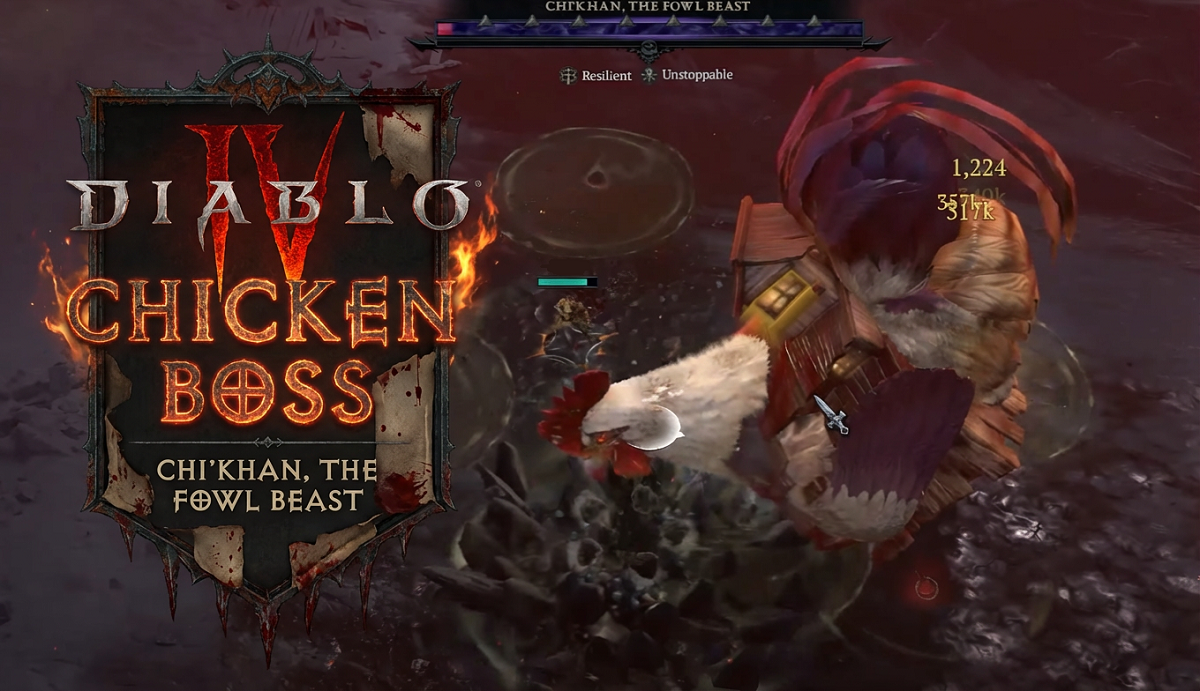
Lair Boss Tree — Boss Spawns in Other Content: Several nodes in the Lair Boss tree add a chance for lair bosses to appear during other activities. One example gives a chance for the Beast in Ice to spawn when fighting any boss in an Infernal Horde run. Another adds a chance for Astaroth's mount to appear during Nightmare Dungeons, dropping Astaroth-specific loot. These boss appearances don't consume any summoning materials — they're free bonus encounters that come purely from your skill tree investment.
Helltide Tree — Double Butcher Spawn: Normally, when you fill the threat meter in a Helltide and defeat the enemy waves, a Blood Seeker spawns. One Helltide tree node replaces that Blood Seeker with two Butchers. This is harder, but more rewarding.
Helltide Tree — Cinder Risk/Reward: Another Helltide node changes the death penalty from losing half your cinders to losing all of them. In exchange, you earn cinders at a much faster rate while alive. At Torment 10 or 12, this becomes an extremely high-stakes gamble — one bad hit ends your cinder run entirely, but a clean session yields far more resources than normal play.
Helltide Tree - Boss Replacements: According to Game Director Zaven Haroutunian, you can also modify Helltide spawns so that instead of the Blood Maiden appearing, Duriel might show up occasionally. This kind of boss substitution adds a layer of targeted farming that didn't previously exist.
War Plans Rewards & Drop Loots
The reward structure in War Plans operates on multiple levels, stacking on top of the normal drops from each activity.
Normal Activity Rewards Still Apply
Running a Pit through War Plans still gives you everything a Pit run normally drops. The same goes for Helltides, Nightmare Dungeons, and every other activity. War Plans doesn't replace your existing loot — it adds to it.
Playlist Modifier Rewards
The randomized modifiers on each playlist node determine what bonus loot you receive on top of normal drops. Modifiers we've seen include caches of legendary rings, batches of jewelry (necklaces, rings), gem bundles, specific crafting materials, and treasure goblin bonuses. The type and quality of these modifiers vary by rarity tier and appear to improve as your War Plan rank increases.
Rank-Up Bonuses
Completing a full rank (all five activities) grants end-of-rank rewards. Higher ranks within a single War Plans run yield better bonuses and more selection options on the next board. This creates an incentive to push through a single War Plans run as far as possible rather than restarting frequently.
Activity Experience as a Reward
Every activity completed through War Plans gives activity experience that feeds into the corresponding skill tree. While this isn't "loot" in the traditional sense, it's the currency that lets you modify your endgame content to become more rewarding over time. It's long-term progression that pays off in compounding returns.
Echoing Hatred - The Jackpot Drop
Outside of War Plans but connected to the broader endgame loop, Echoing Hatred is a new horde mode that you access through rare ticket drops obtained from doing any endgame content. It's an infinite wave survival mode in a single room with four pylons for temporary boosts. Enemies and bosses are randomized, difficulty ramps with each wave, and every boss you defeat adds another bag of loot to your end-of-run rewards. There's also a kill-speed bar: if too many enemies pile up because you're not clearing fast enough, the run ends. Echoing Hatred appears to be "heavily juiced" in terms of rewards since the tickets are rare and you can only run it when you have one.
War Plans Best Farming Strategies
Based on everything revealed about the system, here are the farming approaches most likely to be effective once Season 13 launches.
Save Echoing Hatred Tickets for Powerful Builds
Because Echoing Hatred rewards scale with how many waves you can clear and every boss kill adds a loot bag, there's a direct relationship between build power and reward volume. Don't use these tickets early in the season when your character is still gearing up. Hold them until your build is strong enough to push deep into the waves. A ticket used at Torment 8 power will generate far more loot than one used at Torment 4.
Specialize Your Activity Skill Trees Early
With only seven points per tree and far more nodes available, trying to spread your investment across multiple trees early on will leave you with weak bonuses everywhere. Pick one or two activities you plan to grind heavily at the start of the season and funnel all your experience into those trees. A fully specced Helltide tree or Nightmare Dungeon tree will generate substantially better returns than three half-built trees.
Use Lair Boss Nodes to Skip Boss Farming
If you don't enjoy the standard lair boss summoning loop (farming materials, summoning, fighting, repeating), invest in the Lair Boss skill tree nodes that add boss spawns to other content. You can get Beast in Ice spawns in Infernal Hordes or Astaroth's mount in Nightmare Dungeons without spending any summoning materials. This lets you combine boss farming with the activity you actually want to be doing.
Target Specific Materials Through Infernal Horde Nodes
The Horadric Cube in the expansion introduces many new crafting materials, and Infernal Hordes already drops a variety of resources per wave. Use the Infernal Hordes skill tree to swap out resources you don't need (like gem fragments) for ones you do (like opticite). Pay attention to the mutually exclusive nodes, plan your tree before spending points so you don't accidentally lock yourself out of the option you actually wanted.
Push Rank in War Plans Before Rerolling
Every rank increase improves your selection options and reward quality. Rerolling your War Plan resets your rank. Unless your current board is genuinely terrible (no useful modifiers, no activities you want), it's almost always more efficient to push through a mediocre rank than to restart at rank one. The compound benefit of higher ranks adds up quickly.
Combine Helltide Risk Nodes with High Torment for Maximum Cinders
The node that makes you lose all cinders on death but earn them faster is designed for confident players at high Torment levels. If your build is tanky and consistent enough to avoid dying in Torment 10+ Helltides, this node turns cinder farming into the most resource-efficient activity in the game. But if you die even once, you lose everything. Only activate this node when your build is genuinely capable of deathless Helltide runs at your chosen Torment tier.
Don't Ignore Off-Meta Activities With Good Modifiers
One of War Plans' biggest strengths is that it makes previously inefficient content worth doing. If Kurast Undercity or Tree of Whispers nodes appear on your board with legendary-tier reward modifiers, take them, even if those activities aren't traditionally considered top-tier farming. The modifier reward alone might be worth more than the baseline drops from a "better" activity with no modifier. Let the modifiers guide your choices rather than defaulting to the same two activities every session.
Respec Trees Between Sessions Based on Goals
Since respeccing activity skill trees appears to be free or very cheap, adjust your tree before each play session based on what you need. Farming crafting materials today? Spec into resource-swapping nodes. Want boss loot? Load up on lair boss spawn nodes. Need raw gear upgrades? Focus on difficulty and density increases. Treating your skill trees as flexible tools rather than permanent commitments will keep your farming efficient as your priorities shift throughout the season.
War Plans represents the first time Diablo 4 has offered a structured, player-driven approach to endgame progression. The playlist system gives sessions a sense of purpose and direction. The activity skill trees add the kind of meta-progression that keeps experienced players engaged beyond just gear upgrades. And the integration with Torment 12 difficulty scaling means that the ceiling for challenge and reward is far higher than anything the game has offered before.
The real test comes on April 28th when players get their hands on the system and start testing edge cases, stacking modifiers, and figuring out which tree combinations produce the best returns. If the depth is there — if the nodes genuinely change how content plays rather than just adding flat percentage bonuses — War Plans could be what finally gives Diablo 4 the endgame loop it's been missing since launch.