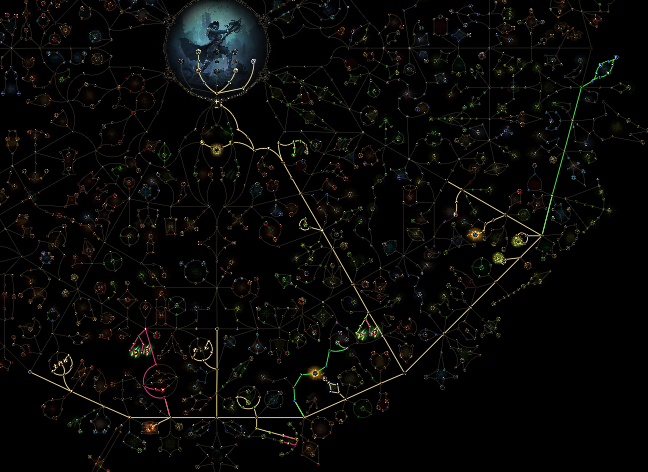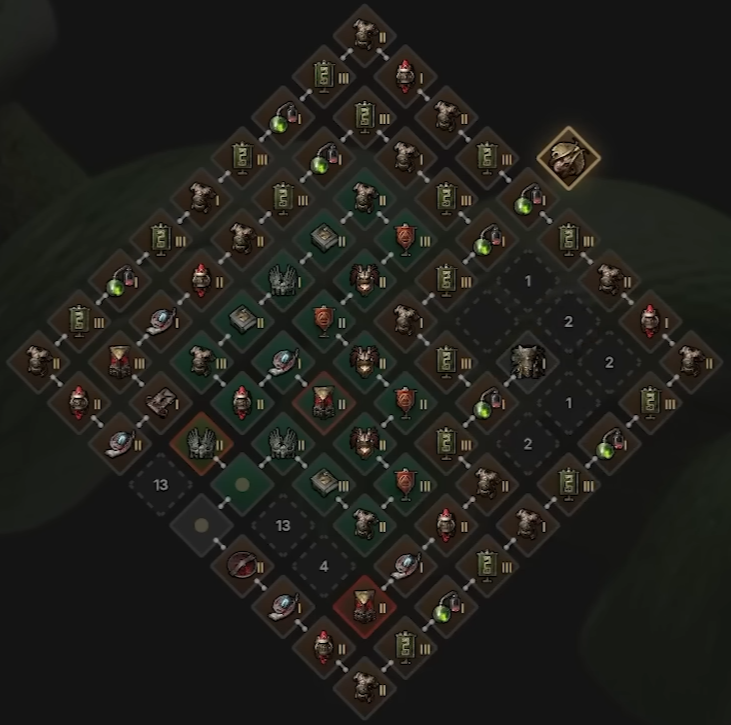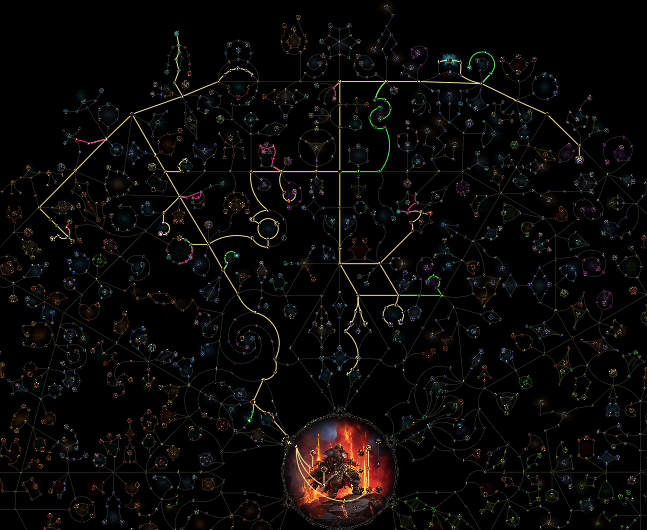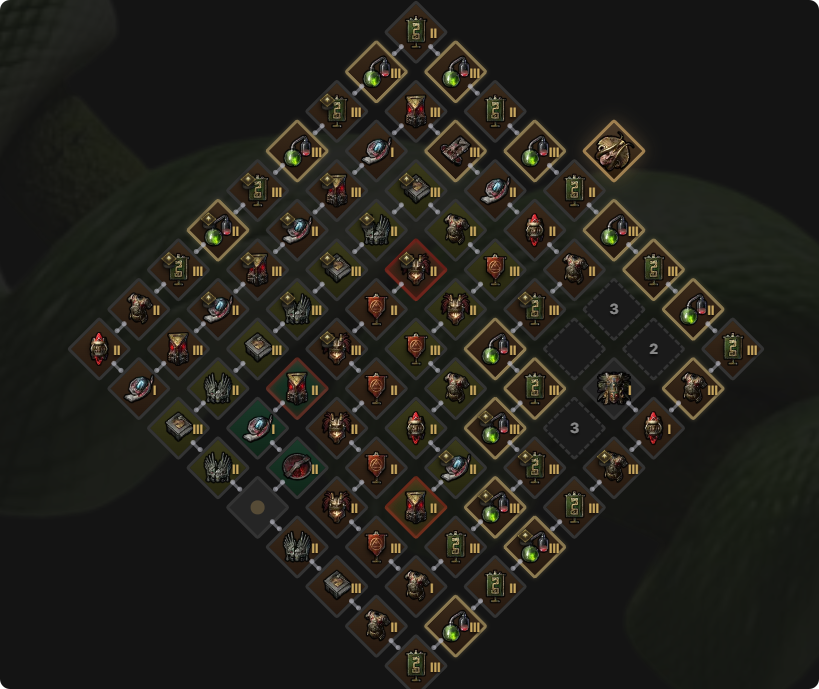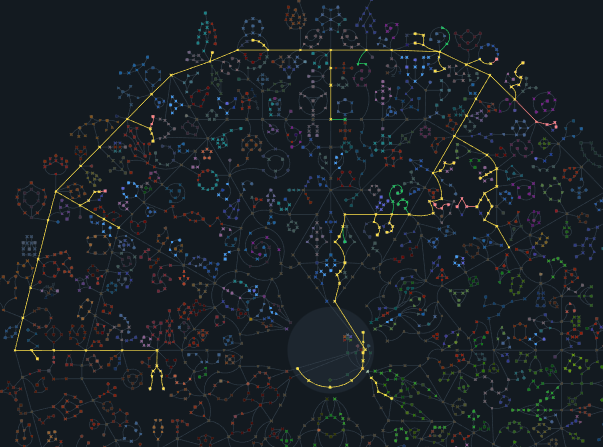



Breach farming in Path of Exile 2 patch 0.4 has quietly become one of the most stable and repeatable currency strategies in the game—but only if you’re farming it the right way. Read this PoE 2 0.4 Breach farming guide, we'll break down the best Breach atlas trees strategies.
PoE 2 0.4 Best Breach Atlas Tree Strategy
Breach profit in Path of Exile 2 0.4 comes almost entirely from Breach Hands and splinters, not rare monsters, catalysts, or “full stack” RNG nodes. The goal of this strategy is to maximize the number of Hands spawned per map, force them to spawn as tightly as possible, and duplicate their splinter drops, all while keeping tablet costs low enough that profit is guaranteed even on average maps. While many players are still chasing rare Breach monsters, catalyst RNG, or overpriced tablet setups, the real profit has shifted almost entirely to one source: Breach Hands and splinters. When optimized correctly, this strategy removes most of the randomness from Breach and turns it into a predictable, high-margin farming method that performs well even on average maps.
PoE 2 0.4 Breach Atlas Tree Setup
Nodes to Drop (Low Value)
Zesh is Madness
The 10% chance for full-stack catalysts is unreliable and statistically insignificant. In real testing, it rarely procs and does not justify the point cost.
Rare Breach Monster Effectiveness / Rarity Scaling
Breach monsters do not drop meaningful PoE 2 currency in 0.4. Even with rarity stacking, returns are weak compared to splinter value. These nodes feel good on paper but don’t translate into real divines.
Mandatory Nodes (This Is Where Profit Comes From)
Waking Nightmare (Core Keystone)
Breach Hands have a 60% chance to drop double splinters. This single node is responsible for most of your profit. Scales linearly with Hand count → more Hands = more guaranteed value.
+30% More Breach Hands
Flat increase to splinter sources. One of the highest-value Breach nodes in the tree.
Hands Guarded by Magic Packs (20% chance)
Adds density
Forces tighter spawn clusters
Improves splinter stacking in confined areas
These nodes together convert Breach from RNG-based farming into deterministic splinter printing.
PoE 2 0.4 Breach Tablet Strategy
Old Meta (Now Bad)
Triple Breach-effect tablets costing 3–4 div each
Total cost: 9–10 div per map
Result: ~900 splinters + catalysts
Net profit: 2–3 div, sometimes less
High risk, terrible ROI.
New Meta Tablets (Best Value)
You only need two mods:
Breaches in your map contain 3 additional Hands. Map has a chance to contain an additional Breach.
Why this works:
These mods are undervalued right now. Many players avoid “chance-based” Breach mods.
Cost: ~1 div per tablet
Run three of these:
Total cost: ~3 div
Guaranteed 2+ Breaches per map
Often results in 3 Breaches
Produces 600–800 splinters consistently
This setup has 3x lower cost with only ~20–30% less splinters, massively improving profit margin.
PoE 2 0.4 Breach Map Choice
Best Maps: Small, Constrained Layouts
Examples:
Marrow
Tight corridor or semi-linear maps
Limited branching paths
Breach Hands spawn along available terrain. Small layouts force Hands to spawn closer together. Results in massive splinter clusters (50–70+ per Breach).
In Marrow specifically players regularly see 60–100 splinters from a single Breach. Two Breaches can exceed 1 div worth of splinters.
Avoid:
Huge open maps with wide dead zones. Excessive vertical spacing.
PoE 2 0.4 Execution Tips
Rotate sides during Breach → don’t tunnel one direction. Clear fast and stay near the Breach edge. Prioritize Hand spawns over monster kills. Speed matters more than damage scaling. This strategy favors fast, mobile builds, but does not require extreme DPS.
PoE 2 0.4 Breach Profit Breakdown (Realistic Numbers)
Cost per map: ~3 div
Average splinters: 600–800
High-roll maps: 900+ splinters
Value per map: ~8–10 div
Net profit: 5–7 div per map, consistently
No catalyst gambling. No rare monster lottery. No dependency on market spikes.