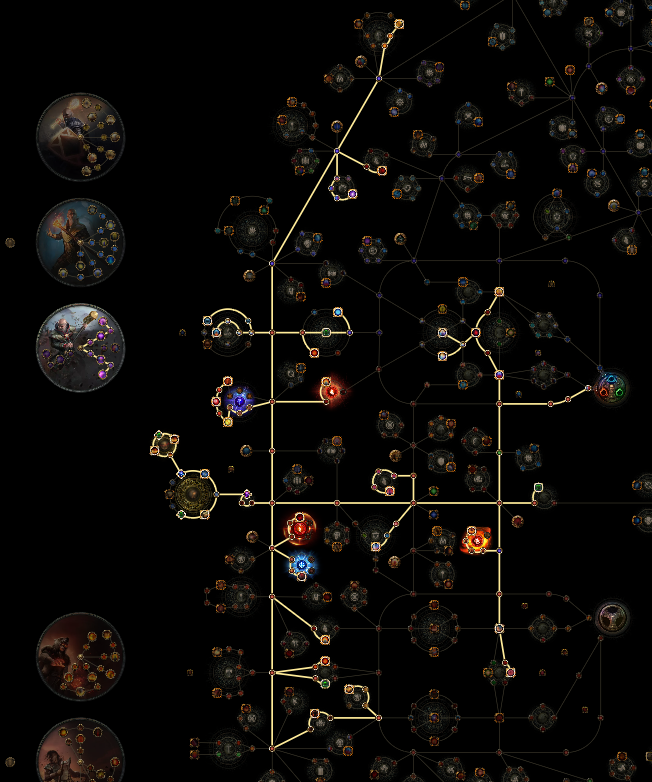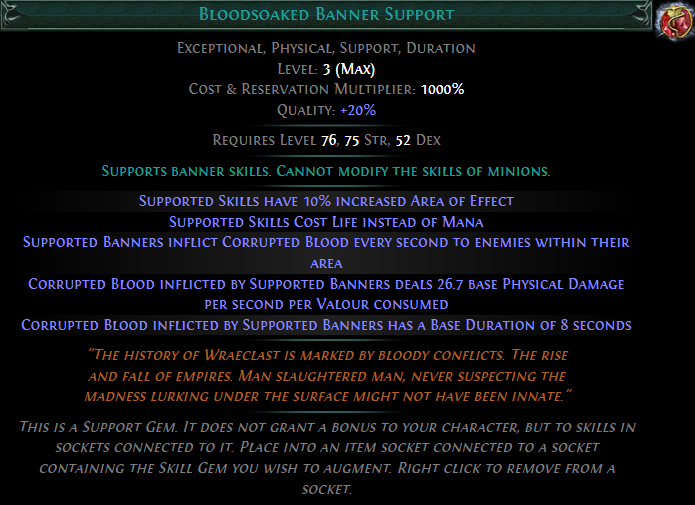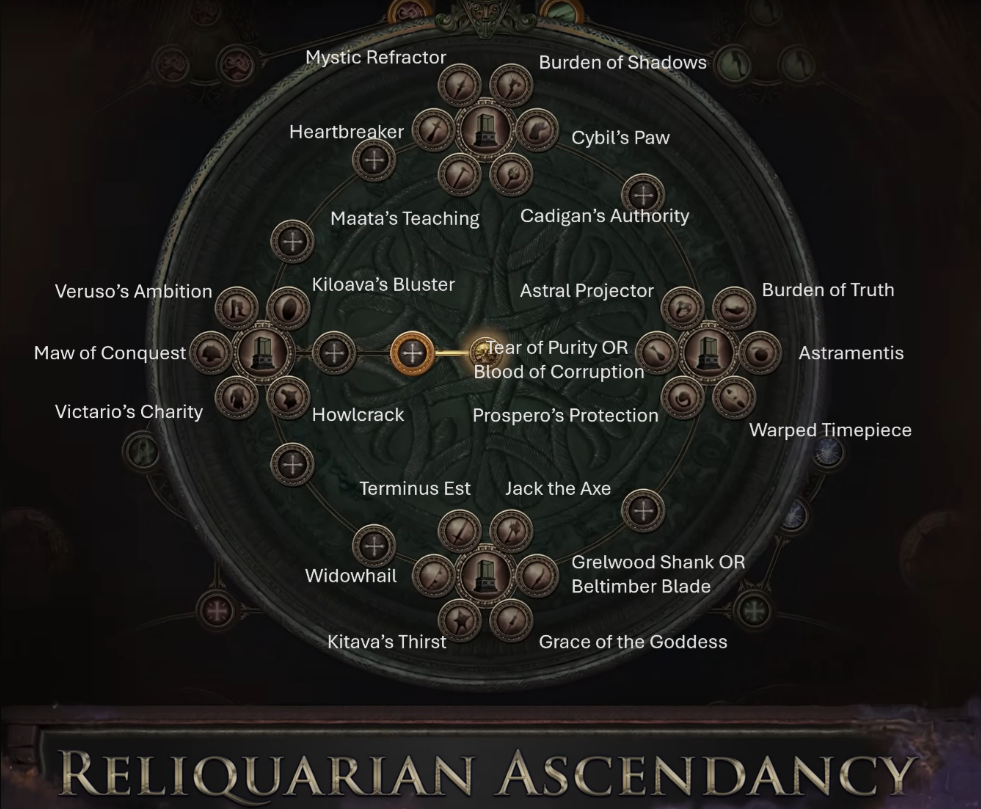



Path of Exile 3.28 Mirage league offers a fresh set of challenges and new avenues for both progression and profit. With Atlas tree changes, mechanic reworks, and a different mapping structure, early planning and agility remain key. Play around with the new mechanics, adapt your farming strategy as the league matures, and fine-tune your Atlas tree to fit your goals, be that maximum profit, efficient gear upgrades, or simply the most enjoyable play sessions. This guide serves as a structured reference to help Path of Exile players plan their atlas passive tree and map farming strategy for both Trade and Solo-Self Found (SSF) in the Mirage League (Patch 3.28). Included are optimal tree routes and mapping tricks for smoother atlas progression, informed by the latest league mechanics and system revamps. You’ll find early-game mapping setups and mid-to-late game strategies for farming currency and completing your atlas, whatever league mode you prefer.
PoE 3.28 Farm Strategy Guide (Early, Mid, End League Atlas Tree & Map Plans)
With Path of Exile 3.28: Mirage, the endgame mapping experience is undergoing a sweeping overhaul. The league rolls out a host of new quality-of-life features, overhauls core systems (including Heist and Breach), and reworks the way Atlas progression and mapping rewards function.
Main Changes To Atlas & Map in Path of Exile 1 3.28 Mirage League
The Mirage update arrives with substantial changes to the endgame Atlas and mapping systems:
1. Maps Are Now Tier-Based, Not Layout-Based - Previously, maps dropped as specific layouts at specific tiers (for example, “Tier 10 Mesa”), and you needed that exact map to play that layout at that tier. In 3.28. map items are now just “Tier X Map” currency, and you can use any "Tier 10 Map" to access any Tier 10 (or lower) map layout you have revealed on your Atlas. This means you're no longer dependent on getting the exact layout you want to run, map sustain and target farming are much more flexible, and you can switch mapping strategies or favorite layouts instantly.
2. Updated Atlas Structure and Navigation - The Atlas has been restructured: you start at the center, with the four Voidstones in each corner. All content you access including standard, unique, and boss maps, is now physically placed on the Atlas itself and revealed as you explore. The Map Device now opens the Atlas, letting you select any revealed map node; this is much more intuitive and makes seeing your progression and making choices far simpler. Unique maps and special content also have permanent locations on the Atlas.
3. Astrolabe “Blobs,” Shaped Regions, and Eagon’s Memory Vaults - A new map item called the Astrolabe has been added, letting you “shape” a region (a "blob") of your Atlas with unique content and modifiers. These blobs apply their effect to every map within them. When you clear a map inside a blob, the influence is removed from that map but remaining maps get extra modifiers, making the remaining maps more difficult and lucrative. Once you finish every map in the shaped region, you get sent to an Eagon Memory Vault for a powerful, targeted reward. Specialized keystones let you repeatedly run a single map in a blob to finish the region your way.
4. Atlas Passive Points and Objectives Overhaul - Atlas Passives have been revisited. You now can earn up to 138 Atlas Passive Points, allowing for more specialized and powerful tree setups. Rather than needing to complete every unique map for points, you now get 1 Atlas Skill Point per unique map you finish, up to a max of 10 (so you can skip the ones you dislike). The rest of the points are available from elsewhere (such as Nightmare maps or regional objectives). In addition, every 4 bonus objectives you complete grants +1% map item quantity, rewarding more thorough mapping.
5. Removal and Reworking of Old Systems - Several old mapping chores and systems have been removed or transformed. Cartographer’s Chisels no longer drop, and map crafting options at the Map Device are gone, with the associated loot and bonuses built naturally into other rewards. Map sustaining no longer requires tedious “favoriting” of layouts; you just choose your preferred layout and run it as long as you have the right tier. The Favoured Map system, Memory Petals, and many frustrating or “unfun” map modifiers have been eliminated, streamlining the process and removing busywork.
6. Quality of Life Improvements in Atlas and Mapping - Significant quality of life enhancements have been made throughout. Interacting with the Map Device now always puts you directly at the Atlas interface, and features like right-clicking a unique map in your inventory instantly move the Atlas view to that node. Fragments and other map-modifying currency now have more intuitive usage. This all results in a more fluid mapping loop with fewer clicks and less friction, making high-level play more enjoyable.
7. Scarab & Map Modifier Overhaul - A number of existing Scarabs have been reworked or retired, and many new Scarabs have been introduced offering fresh mechanics and incentives. Map modifiers have also been reviewed, with unpopular or controversial options removed (for example, “cannot deal damage,” intense action speed penalties, and other “feel-bad” mods). The net result is a mapping experience with more control, more variety, and less frustration for all playstyles.
8. New Endgame Loops and Juicing Philosophy - The new blob system using Astrolabes lets you intensely "juice" regions of your Atlas for high-challenge, high-reward loops. You can specialize in running your favorite map repeatedly (thanks to new passives), or clear blobs for a big payout. Memory Threads and Incarnation bosses provide new progression and boss fights as part of this system. The entire approach puts player choice and agency first, you control the level of challenge and reward much more than before.
9. Reward and Currency Rebalancing - 3.28 addresses the value and excitement of loot. Currency drops from the ground are more frequent and "spiky", you’ll see more meaningful currency (like Exalted or Divine Orbs) and less low-value junk flooding your filter. Memory Strand drops provide better base items and improvements to help regular mapping feel more rewarding. Altogether, this means loot is more engaging and mapping feels more worthwhile.
All these changes combine to make mapping in PoE 3.28 more flexible, rewarding, and user-friendly. You can run the layouts you enjoy, escalate the challenge and reward when you wish, and won’t get stuck grinding map chores or tedious sustainability tasks. Atlas progression is more transparent, and endgame content is more accessible to all builds and playstyles. Now, let’s examine how to approach Atlas progression and farm efficiently as Mirage launches.
PoE 3.28 Fastest Atlas Progression & Mapping Strategy (League Start)
Based on the changes to the endgame Atlas of Worlds in PoE 3.28 Mirage league, here we detail the new ways you move through the new Atlas system and illustrate how you collect points, unlock map tiers, and set up the early game PoE 3.28 currency farming:
Step 1: Recognize Map System Changes
With the launch of 3.28, the Atlas structure has been updated. The old favorite system and past map-tying mechanics have been removed. Instead, maps drop by tier, no longer bound to a specific map layout. When you acquire a tiered map, enter your Atlas UI and select the exact layout you wish to run in that tier. This means you can always choose layouts like Jungle Valley, Park, or any other map available for that slot, using your tiered map items without hunting for a specific map name.
Step 2: Obtain Atlas Passive Points
The number of possible Atlas passive points has risen to 138 in this league. Earning them follows several main paths:
Map Completion: Completing 100 core maps by running them at the right rarity and possibly corruption level (magic for white, rare for yellow, rare and corrupted for red) yields the first 100 points.
Unique Maps: Complete 10 out of the 19 unique maps to receive another set of points. Players usually tackle the easier bosses or the cheapest maps in this category.
Nightmare Maps: Complete all Nightmare maps (such as Citadel and Fortress) to earn five points.
Maven Invitations: Fulfill Maven’s special boss group encounters and invitations to gather an additional eleven points, split between critiqued boss challenges and various invitation types.
Pinnacle Eldritch Bosses: Conquering top-tier bosses grants twelve more points, with at least one new boss included.
All these facets combine for the maximum available Atlas passive points, with some players seeking direct carries for the hardest bosses if their builds can’t handle them.
Step 3: Upgrade Voidstones
Voidstone functionality has been extensively revised:
Acquiring Voidstones: Now, major boss pairs must be defeated together to earn each stone, such as needing both Shaper and Elder down for theirs. The same applies to Searing Exarch and Eater of Worlds.
Stone Effects: Placing voidstones now upgrades map tier drops (increasing map tiers by one for maps 1–15), converts some dropped maps to gold, and raises the chance for tier 16 maps to become Nightmare maps the more stones are socketed, up to a 1.6% total chance.
Special Mechanics: The decayed voidstone grants a shot at Shaper or Elder influence on opening, while the Eldritch stone boosts Eldritch altar mechanics, allowing overlap of altar buffs and penalties. The originator voidstone, found by facing the Incarnation of Dread, enables Atlas bosses to drop astrolabes and exceptional support gems.
After Dread: Once you’ve secured the voidstone from the Incarnation of Dread, items with memory strands can drop from all map runs, with resonator maps still being particularly rich for these drops.
Step 4: Interact with the New Atlas UI
The progression and map selection experience is much improved:
Choose Maps Easily: With any tiered map, click in the Atlas UI on the respective layout to run it, making filling new completions for your Atlas far simpler and hassle-free.
Atlas Passives Tree Unlocks: These unlock upon acquiring 50 and 100 Atlas passives. Completing maps fills in your tree rapidly compared to earlier systems.
Map Crafting and Scarabs: Kiraak’s former map crafts have been moved onto scarabs, which means all mechanical bonuses like Legion, Blight, Abyss, and others come from using their respective scarabs. Scarabs have been improved to suit this new structure.
Kiraak Missions: The classic Kiraak missions used to help with early Atlas completion are now gone, as the atlas progression has been designed to be easier from the start.
Step 5: Handle Miscellaneous Changes
Chisels and Map Shop: Chisels no longer exist. Kiraak now sells maps sorted by tier, not by layout.
Maven Invitations: Invitations no longer drop as items but are instead facilitated directly through the NPC.
Unlocking Extra Trees: You still receive additional Atlas passive trees for completing the Maven ten-way and T7/Nightmare maps.
Step 6: Streamlined Completion and Progress
This new system allows completing the Atlas without constant rerolling or trade for specific maps. If you have a missing completion at a certain tier, simply run any map of that tier in that Atlas spot. Over time, this will speed up progressing toward endgame and filling out your tree.
The new approach should make Atlas setup and boss access faster and easier, while special attention to scarab use, mapping with the right tier and map slot, and targeting unique maps for easy completions will smooth out your entire endgame journey.
Best Way To Complete Atlas & Unlock 4 Voidstones in PoE 3.28
At league start, your primary goal in the Atlas is to unlock all four Voidstones (to make all your maps T16) as fast as possible, because this maximizes both map drops and currency potential. The optimal progression path is route-based, focusing on boss objectives in each Atlas quadrant. Following this step-by-step plan makes your progression smooth and avoids common time-wasting mistakes.

1. Plan Your Atlas Passive Tree for Map Sustain
Spend your first Atlas passives on Shaping nodes (map drop/passive nodes) near your start location (Glennach Cairns). Take all nearby shaping nodes on the left, bottom, and top right. Next, get early Shrine clusters; they provide speed and survivability which helps with map clear and boss fights. Ignore early monster mechanic nodes (like breach, legion etc.) until you have good sustain and at least 2 voidstones.
2. Bottom-Left Quadrant First: Exarch & Eater Progress
Focus your map completion in the bottom left quadrant (Haewark Hamlet & Lex Ejoris). Why? This area lets you unlock Searing Exarch & Eater of Worlds, the two easiest and least gear-dependent Voidstones. Then, progress your atlas straight to T16 Palace Map, run adjacent maps and always prioritize new map completions. If you get duplicate maps, still run them but branch out toward your T16 goal.
As soon as you unlock boss invitations (blue/purple icons), remember: Slot the correct anointed altar in the map device (Exarch or Eater) to progress the respective quest. You must run these quest maps/adventure chains in this region; do NOT waste time in other corners early on. Top-Left: The Originator/Replica (T16.5) Progression
Kill both Exarch and Eater bosses ASAP for your first two Voidstones.
3. Top-Left: The Originator/Replica (T16.5) Progression
After 2 stones, the game gives you the Originator questline. You'll need to run three chains of 4 maps each, usually in T14–16.5 content. These final 4 maps are T16.5/“Uber” maps - RUN THEM WHITE (unrolled), to avoid super dangerous mods! After 3 chains and the final fight, you get your third Voidstone.
4. Top-Right: Shaper & Elder Voidstone
Now, complete the top right region (Lex Proxima & Tirn's End) and push up to T16 Marshes.
For Shaper:
Open the device and socket the 4 Shaper Guardian Fragments (they drop as you run influenced maps). Defeat each Guardian to get the fragments, then fight Shaper with those fragments. Do NOT Maven Witness the Shaper fight, unnecessary difficulty for no real reward in this conquest.
For Elder:
Influence any 4 T14+ maps with Elder influence (just click them), run those to get the fragments. Defeat Elder when you get all four fragments. Again, do not Witness.
Completing both gives you Voidstone #4.
5. Bottom-Right: Maven Voidstone (Save for Last)
This is the hardest Voidstone and requires more gear/preparation. Progress the Maven questline by running invitation encounters and then push toward T16 Silo. Socket the Maven fragment and fight Maven there. Upon winning, socket your final Voidstone.
Note: Save this for last as it's the most mechanically demanding fight for day 1–2 gear.
PoE 3.28 Best Atlas Tree & Mapping Plans for Trade League (To Be Updated)
For those playing in trade-enabled leagues, mapping strategies often center on rapid currency generation and crafting items to sell. Trade league players should pivot their trees toward the most in-demand loot as the league progresses, shifting from general sustain to specialized routes for maximum returns. Mapping high-quantity and high-rarity maps becomes more important as soon as gear can handle it, using the full value of scarab and sextant investments. Blueprinting your progression this way ensures both atlas and currency progress keep pace with the competitive trade economy.
In Path of Exile 3.28, we are getting quite a shake-up in terms of scarabs, and farming strategies are going to be significantly different. The popular league mechanics, such as Strongboxes and Hearvest are getting hit really hard with nerfs, while Devles has been buffed because fossils have been removed from every other drop pool. Therefore, the following league mechanics guarantee currency and loot profit so far:
1. PoE 3.28 Mirage Atlas Tree Setup for Early Mapping
The early Atlas plan in PoE 3.28 focuses on map sustain, fast progression, and maximizing rewards without making maps overly hard in the first days. With the removal of Kiraak, major changes to Breach and Beyond, and rebalanced map drop mechanics (no more adjacent-only drops), your early tree should quickly advance your Atlas, make it easy to drop higher tier maps, and give you strong utility (like Shrine bonuses and Nico’s Sulphite buffs). This approach avoids overcommitting to risky or untested strategies and keeps progression simple, reliable, and rewarding as you unlock new nodes and features.

Step-by-Step Atlas Early Mapping Plan
1. Unlock Map Sustain and Progression Nodes
Path through Nico's Master Nodes (early access to Sulphite for movement speed and max resist buff).
Rush the Shaping Node Trio:
Shaping the Mountains: +10% more rare monsters in maps.
Shaping the Skies: +10% more magic monsters in maps.
Shaping the World: Map boss has a 5% chance to drop an extra map one tier higher.
These nodes quickly get you 50% increased chance for map drops to be one tier higher and beef up your map with more monsters (which helps early map drops and sustain).
2. Take Early Utility: Shrines & Sulphite Buffs
Grab Shrine wheel close to start:
Start with “free shrine” node (guaranteed shrine in every map, increased duration).
Take extra shrine duration and/or extra shrine effect nodes as available.
Shrines give big buffs to speed, survivability, and damage—great for early progression.
Nico Pathing: As you path through Nico's spots, prioritize buffs that give movespeed and +max elemental res from Sulphite events (very strong in early red maps!). Take additional Nico chance nodes if you want the buff more frequently.
3. Efficient Block Strategy
Block league mechanics you don’t want:
Early blocks: Breach, Legion, Expedition, Harvest, Abyss.
Optionally, block Heist, Ritual, Delirium later as needed.
Keep mechanics you want to sample or which are low-investment/rewarding (e.g., Blight, Ritual, Delirium at first to try, then block if needed).
Blocking increases the spawn rate of what you do want and keeps your maps less cluttered.
4. Consider Scarab & Quantity Nodes
Take Scarab nodes (small and medium) if you want early scarab drops, great because scarabs are valuable at league start and don’t make maps much harder. Consider (but delay) the “Map Effect” wheels or extra quant/rarity passives in the center—these are powerful, but make maps harder, so skip for your very earliest progression unless your build is strong. If you want to push for more loot, expand to these after your sustain is settled and your gear is ready.
5. Prioritize Progress & Keep It Manageable
Aim for easy map completion: Don’t make maps too hard; progression and filling your Atlas is more valuable than juicing for max loot early.
Do not invest in over-tuned content before you have a strong build: If you fail maps by dying or bricking portals, you’ll stall.
Take only 31–35 points for this early route so you have room to adjust as you see how the meta, league mechanics, and map sustain are working.
6. Test and Adapt After Core Path
Once you have your early path set, test the mechanics you like and adapt:
Want more shrines? Take more shrine nodes.
Scarab prices dropping or you don’t want them? Re-path as needed.
Start taking Altars (Eater or Exarch) and quantity/rarity bonuses once you’ve unlocked red maps and are confident in your build.
Do not fully invest in new/experimental mechanics until tested for the new league.
Sample Early Atlas Tree Priorities
Shaping the Mountains, Skies, and World.
Early Shrine wheel (free shrine, duration, effect).
Nico pathing and Sulphite buff nodes.
Block unwanted league mechanics.
Take Scarab/utility nodes as needed.
(Later) Progress to Altars, pack size, and juice wheels after red maps.
2. PoE 3.28 Breach & Betrayal Atlas Tree & Farming Strategy
The Breach & Betrayal farming strategy in PoE 3.28 is a league-start powerhouse for rapid, low-investment currency generation. By focusing your Atlas tree on Breach Hives (especially with minimal, or even no scarab investment), you maximize the monster waves, loot, and special rewards like Wound Gifts and Hive Blood, all while keeping clear times fast and the gameplay comfy. Adding Betrayal (Jun) for veiled/fractured items and vendor crafts gives you even more valuable drops, and Shrines provide free speed and safety. This plan is perfect for "Alch and Go" mapping, high-value, simple, and extremely effective in the early league where the demand for unique, quality, and fractured items is at its peak.
1. Atlas Passive Tree Setup

A. Breach Hives First
get all nodes that guarantee and juice Breach Hives: Take the starting Breach notables for increased monsters and chance for Breach. Prioritize Dimensional Foothold, this node guarantees a Breach Hive in every map.
Fill out all Hive-boosting wheels:
Protracted Siege: +100% Alith skills (more loot buttons), more waves per Hive.
Evolving Hives: More monsters per wave.
Adaptive Reaction: 100% increased flammable burrow explosion radius—clears walls faster and chains explosions. Each burrow increases monster toughness and reward.
Fortress-related nodes: Increases chance for Hives to contain a Fortress (big value spike in Wound Gifts and Hive Blood), and further increases Wound Gifts/quality gem rewards from fortresses.
Ignore Unstable Breach nodes (these are only efficient with heavy scarab investment after your build is strong enough for big juicing, not early league).
B. Betrayal / Jun Integration
Pick up all Betrayal encounter and reward nodes:
Increased chance for Betrayal encounters.
Increased veiled item drops and the key notable Pillage and Plunder for fractured veiled mods (early league, these sell for a premium).
Lethal Extraction to speed up safehouse progression and rewards.
Prioritize easy accessibility so you don't need to respec later.
Optional: Add smaller nodes for more veiled items and unique drops as you unlock more passives.
C. Shrines (Speed & Safety)
Take Shrine wheels for extra shrine spawns and shrine effect. (This helps clear Hives even faster and safer, making your farming route quick and smooth.)
2. Map & Scarab Setup
"Alch & Go" mapping: Simply use an Orb of Alchemy on your map (make it rare), and run it. No need to over-invest or over-juice your maps at league start. Roll for “easy” map mods your build can handle, it’s all about volume, speed, and ease early.
Breach Scarab: This scarab makes Alith’s skills “enrage” the Hive, each button you click makes subsequent waves much harder and much more rewarding. If available and cheap, add it for even stronger Hives! ONLY consider the Breach Scarab of the Incensed Swarm:
Other Scarabs: Skip Unstable/extra Breach or basic Hive scarabs—they are unnecessary and don’t stack with the 100% guarantee from the tree.
3. Running the Maps
Check map contains Breach Hive (guaranteed with tree setup). Enter map.
Quickly clear packs until Breach Hive spawns, then: Click all of Alith’s skills (from Protracted Siege node) for more loot and higher wave reward. Run over all flammable burrows, they chain explosions, increase toughness (more loot/rarity), and clear more of the arena. If you spawn a Fortress, prioritize opening grasping coffers and killing everything, these drop big Wound Gifts, Hive Blood, quality gems, and potentially valuable uniques. Trigger the Hive. Kill all the spawned mobs, loot everything quickly.
Run Syndicate encounters whenever they appear: Defeat all members for veiled items, with a chance for fractured veiled mods, list these early! Complete safehouses as soon as possible for high XP and additional item rewards.
4. Loot & Sell Priorities
What to pick up:
Wound Gifts (especially quality and fractured gems—high demand for imbuing and crafting early league).
Hive Blood, Breach Splinters/stones for mass selling or self-use.
Foul Uniques—almost all are valuable early league (especially for boss farming or new builds).
Early veiled/fractured items, especially conversion, projectile, attribute, and speed gloves.
Sell bulk quality gems, fractured veiled items, and Breach pieces ASAP (highest value in first days of league). Use Betrayal crafts for rerolling/reselling gear—especially armor and boots with good resists/speed.
5. Progression & Scaling
Start “alch & go” for speed. As you gain currency and power, add map quantity/pack size via better rolls, and consider heavier investments in scarabs or even unstable Breach/juiced maps if your build clears easily. Respec the tree for endgame boss/content as needed, but this setup will carry hard through early mapping and market rush.
3. PoE 3.28 T16 Scarab & Strongbox Atlas & Map Farming Strategy
This low-cost Scarab farming strategy, inspired by the Mirage mechanic, offers an efficient way to earn both currency and experience while requiring minimal investment and effort in Path of Exile 3.28. With very few atlas points needed and no need to roll maps, this strategy stands out for being accessible as soon as T16 maps are unlocked. Players report rates of 8 to 9 divines per hour just a few days into the league, which is exceptional considering how simple it is to execute.
How the Strategy Works
This strategy relies on covering strongboxes with the Mirage mechanic. When srtongboxes are under Mirage, they have a chance to transform into Operative Strongboxes, which can drop valuable scarabs. Running Silo is a strong option since it offers optimal Mirage coverage.
1. Prepare Your Character and Map Choice
Begin this strategy once you can access T16 maps. Silo map is recommended because it allows excellent Mirage coverage, increasing the odds that strongboxes convert and yield more scarabs.
For map rolling, just use blue (magic) maps, this keeps the process fast and safe since map IIQ doesn't increase box drops. This means you don't have to invest time or currency on advanced map crafting. Strongbox encounters can be dangerous; the main threat to watch for is the ice nova, so prepare your character's defenses accordingly.
2. Scarab Choices
Use three Ambush scarabs:
Ambush Scarab of Hidden Compartments: boosts chances to open strongboxes multiple times.
Ambush Scarab of Potency: increases the amount and quality of loot from boxes.
These scarabs ensure more strongboxes spawn and provide increased chances for scarab drops.
3. Atlas Passive Tree Allocation

There are two suggested atlas tree layouts. The first uses minimal points and will effectively support the strategy. The other pairs strongbox nodes with ore nodes because the player was searching for Svalinn, but you can customize the spare points as you see fit.
Since not many atlas points are required for the main part of the strategy, you’re free to allocate the rest to synergize with other content you prefer. The focus is on nodes that increase strongbox frequency and efficiency.
4. Running the Maps
How to Run:
Enter the Silo map.
Open every strongbox you find, aiming to have as many as possible within the Mirage effect for optimal scarab conversion.
Seek out the Mirage, and open additional boxes while it is active.
You don’t need to prepare extensively; just keep moving and focus on boxes. As stated, “it is very simple. Open boxes, find mirage, open more boxes. And profit!”
No advanced prep is needed, just bring enough currency to open strongboxes (e.g., if some require currency to unlock).
5. Selling and Profits
This technique was recorded yielding around 8 to 9 divines per hour within the first few days of the league. On top of scarabs, you’ll also earn experience, and don’t forget to pick up other valuables from strongboxes along the way. Since the method is streamlined and skips unnecessary map mods or investments, most of your time is spent engaging with profitable content.
4. PoE 3.28 Destructive Play & Betrayal Atlas Tree & Farming Strategy
The Destructive Play & Betrayal strategy is a low-investment, high-consistency mapping method perfectly suited for early- and mid-league farming in PoE 3.28. By stacking the Destructive Play keystone (for multiple Maven-witnessed bosses per map) with Betrayal encounters (for frequent Safehouse runs), you rack up steady profit from tier 16 map drops, guardian/conqueror maps, Betrayal rewards, and div-worthy jackpot events like Black Barriers. The Mirage mechanic this league can mirror the Maven witness, multiplying value from boss fights and further enhancing your map, currency, and unique drops. It’s easy to set up, fast-paced, not reliant on expensive gear, and offers excellent map sustainability and EXP.
1. Build & Map Selection
Any fast, reliable mapping build works; focus on solid bossing and clear speed, more DPS is required if the boss gauntlets get heavy
Pick 10 of your favorite T16 maps with: Open, accessible boss arenas (so Maven can witness the boss easily and Mirage can reach the boss room); simple layouts for quick, high-completion clears (examples: Silo, City Square, Cemetery, Crimson Temple)
No more being locked to Silo: Mirage lets you rotate 10 T16s for Invitations/profit.
2. Atlas Passive Tree

Key Nodes:
Destructive Play (upper left side): Essential, makes maps spawn extra bosses when Maven is present. Take all supporting nodes for increased boss spawn and mapping quality of life.
Betrayal Nodes (right side): Take all Syndicate/Immortal Syndicate cluster nodes. Priority: Test Their Loyalty (100% chance to grant an additional rank when you Execute a member) All nodes that give more Syndicate member appearances and Safehouse frequency.
Map & Guardian Nodes: All map sustain and Guardian/Conqueror map drop chance nodes. Shaper, Elder, Synthesis, Conqueror map drop nodes. Any quantity/rarity or map sustain points you can fit.
Scarab Wheel (minor, optional): Adds more power if you want extra mechanics.
Shrine Nodes/Speed/QoL: If you have extra points, pick for movement/damage/shrine effects (great for map speed).
Blocking: Not much to block—Mirage mechanic can’t really be forced to always land on boss, but that’s fine.
Notes: You can run a slim tree with only the essentials, leaving room for experimenting or more quantity nodes. Don’t worry about perfect block/spawn manipulation this league—Mirage is random.
3. Scarab Setup
Scarab of Interference (Maven/Guardian): Cheap, but vital! Adds a Guardian/Conqueror/Synthesis boss to each map boss. When combined with Destructive Play, every Maven-witnessed boss gets an extra Guardian for juicy map/loot drops.
Betrayal Scarab of Reinforcement: Adds extra Syndicate appearances (more member encounters per map = faster Safehouses = more profit).
Optional: Gilded or Rusted equivalents if you’re on a budget. Gilded Cartography for more map drops. Scarab of Ashen (if you want more crafting currency from bosses—but not essential for base strat).
4. Running The Maps
Prepare T16 map (Scour for speed, avoid juicing with excessive content that isn’t Destructive Play/Betrayal)
Put in Maven Invitation, add Interference + Reinforcement Scarabs (and others if you wish)
In the map:
Clear 85-90% of monsters before boss: To guarantee 3 Maven-witnessed bosses spawn at the end (max value).
Deal with all Betrayal Encounters: When in map, focus on promoting members to rank 3 quickly, then imprison (jail) high-rank, execute low-rank members. Simple rule: Imprison 2-3 star members, execute 0-1 star members to rank them up fast. Try not to click "remove relationships." The goal is to run frequent Safehouses!
If Mirage covers boss arena: Maven will witness the boss twice per map (once in main, once in Mirage), multiplying loot drops! Otherwise, just focus on main boss/Maven event.
Boss Arena: Face 3 Maven-witnessed map bosses (Destructive Play) + an additional Guardian/Conqueror/Synthesis boss per fight (Interference Scarab). Melt them fast! The more you can kill quickly, the better for safety and profit. Black Barrier event (from Reddonte's influence) can drop a unique belt worth over 1 divine—prioritize these!
Pick up: Tons of T16 maps, Guardian/Conqueror maps, Synthesis maps; Syndicate Medallions (1 divine each), Old Flames (valuable unique); Maven Chisels, Astral Lips, scarabs, raw currency, shrines, and more; Betrayal Safehouse loot
Repeat: cycle through your 10 favorite maps, filling your Atlas Invitation for even more loot.
5. Profit Breakdowns
Each full clear yields:
Steady stream of sellable T16s and Guardian maps (5c+ each, very liquid)
Syndicate Medallions (1 divine or more per, over time)
Black Barriers (unique belts, ~1 divine each, can drop multiple in a map when lucky)
Safehouse completion loot (fractured/jewelled bases, variables, raw divines)
Consistent currency from various sources, great EXP
Estimated income: 20+ divines per 40 maps—not including jackpots like multiple Black Barriers or high-value Betrayal uniques.
5. PoE 3.28 Harvest Atlas Tree & Boss Farming Strategy
The Harvest + Boss farming strategy in Path of Exile 3.28 is a high-profit, low-investment mapping technique built around maximizing both Harvest life force and map boss drops (especially influence/shaper/elder/conqueror maps) by leveraging the Destructive Play keystone and the Mirage league mechanic. It’s incredibly rewarding this league because Mirage can duplicate your key mechanics (bosses or Harvest), so in the best cases, you double-dip on high-value map bosses and empowered Harvests—netting both massive currency from raw drops and tons of life force for crafting. This method is especially consistent, beginner-friendly, and scales very well into the late league, requiring only basic scarabs and fragments.
1. Map Selection
Best maps: Coast or Arid Lake (Asian Wood) are top picks. These maps have small, circular layouts, so Mirage is more likely to overlap both boss and Harvest locations.
Avoid large/linear layouts where boss and Harvest spawn far apart.
2. Map Rolling & Preparation
Roll maps to 6 mods (uncorrupted): maximizes benefits from scarabs (cheaper and faster than 8-mod corrupted mapping, but still benefits from increased drops).
If possible, use:
2 Sacrifice Fragments: Cheap; boosts item quantity for Harvest, bosses, and random drops.
Harbinger fragments or other cheap quantity fragments for extra juice.
3. Scarab Setup
1x Cartography Scarab of Escalation: Increases map found based on the number of mods (pairs perfectly with 6-mod maps).
1x Harvest Scarab of Doubling: Much higher chance to duplicate life force on completing Harvests.
1x Influencing Scarab of Interference: Adds one extra influence (Shaper/Elder/Conqueror/Synthesis) boss to map boss room (more boss kills, more chance for influence maps & loot).
Fourth slot (optional): Gilded/Rusted Scarab of your choice (additional Harvest, currency, strongbox, ambush, etc. Any low-cost synergy is fine).
4. Atlas Passive Tree

Core focus:
Harvest nodes: All the major/small Harvest clusters, including additional plots, more life force, more chance for valuable crafts, and scarab drops.
Destructive Play: Absolutely essential — allows up to 4 map bosses with Maven, massively increasing loot density.
Influence/Map Drop nodes: Shaper/Elder/Conqueror/Synthesis map drop chance.
Map sustain: Any map drop chance or mapping wheel you can afford.
Harvest pack size/explicit mod clusters for more juice.
Optional: Minor points for map currency/efficiency, but prioritize the above.
Do NOT take: Mechanics that distract or clutter the map (ie. Legion, Breach, Ritual).
5. In-Map Execution
Enter the map, check for Mirage (“mirage zone” overlay):
Best maps: Where Mirage area covers both the boss & Harvest, but hitting either is still worthwhile.
Rush to the boss:
Maven + Destructive Play + Influence Scarab means multiple bosses, each can drop high-value maps and fragments.
If Mirage covers boss: Kill all in main, then go again in Mirage for double rewards!
Clear Harvest:
Run Harvest and pick the plot with the most blue-numbered (“life force reward”) monsters for max profit.
If Mirage covers Harvest: You run Harvest TWICE in the same map, with the second being much more powerful (double blue lines = double life force rewards)!
Fully clear map for extra map drops? - Optional. Full clear increases chance for nightmare/influence maps and currency, but the lion’s share of profits is just from bosses + Harvest.
After clearing, enter the Mirage NPC (if spawned near nodes):
Double-dip bosses and/or Harvest as above for even more loot.
Choose the Mirage reward for map currency or extra loot if offered.
Repeat for every map - 1 map + 1 invitation run takes ~4 minutes for ~1 divine net profit (depending on Mirage RNG and drops).
6. Key Profit Sources
Life force from Harvests (biggest single source, crafting currency and sells fast)
Influence Maps & T16.5 maps (very valuable, always in demand)
Raw currency from bosses & drops
Fragments and unique map drops
Maven Invitations (from killing Elder/Conqueror bosses)
Double rewards via Mirage mechanic
7. Extra Tips
Harvest location familiarity: Learn where Harvest and boss spawn in your chosen map to maximize your Mirage timing and efficiency.
Only take core mechanics: Don’t over-juice with non-synergistic (Breach, Legion, etc.) to keep it fast and simple.
Switch maps when Mirage location spawns poorly multiple times in a row.
Always keep track of your cost per map: This strategy remains cheap and frictionless, keep investment low for best profit per hour!
6. PoE 3.28 Awakened Boss Run Atlas Tree & Farming Strategy
Boss rushing is back in a big way for 3.28 Mirage league, thanks to the synergy between the new Mirage mechanic, map-agnostic invitations, and the updated Atlas. This strategy involves stacking as many boss encounters in a single map as possible, efficiently farming valuable boss drops and invitations, and then repeating everything a second time thanks to Mirage. You’ll farm Shrine Belt invitations, Mirage maps, Maven/invitation drops, Conqueror and Elder maps, Astrolabes, scarabs, and more, all in a very efficient, repeatable loop.
Why Is Boss Rushing Good in 3.28?
Mirage doubles boss kills - you get to rerun boss encounters inside the Mirage, essentially farming each boss twice per map.
Destructive Play now works on any layout - you can run the best layouts over and over, farming Conquerors/Elder/Maven without rotation or awkward Atlas management.
Major new chase drops (Black Bear for Shrine Belt, Mirage maps, Astrolabes) are highly farmable from bosses and invitations.
Profit is spread across diverse loot sources, protecting you from sudden price drops or market swings.
1. Choose Your Map & Invitations
Use City Square or another efficient, small layout for fast clearing and boss accessibility.
Farm Conqueror or Elder influenced maps: You can choose either depending on which invitations/fragments are more valuable. Conquerors are a common choice for smoother fights; Elder fragments are generally worth more but slightly slower.
2. Prepare Your Maps
Get your map to 6 mods (corrupted, high quantity). Exalt if affordable, as exalts are cheap. Change layout with Blessed Orbs if needed, you are not locked to any particular base map anymore. Always pick the same map for speed farming; no Horizon Orbs or layouts swapping required.
3. Atlas Passive Tree

Destructive Play keystone: Essential. This adds up to three extra map bosses. Each can be doubled by Mirage.
Block as many mechanics as possible: The less content available, the more likely Mirage spawns on your bosses.
Take all map drop, quantity, and pack size nodes: These boost the number of valuable maps, invitations, and special drops you get.
Invest in nodes for extra map boss drops: +2% increased maps found, increased chance for T16.5 (nightmare) maps.
Ambush/Scarabs/Quantity nodes: More scarabs drop, plus high quantity is important for Conqueror loot scaling.
(Optional): Consider blocking Incarnation of Fear/Neglect if focusing on certain invitations, though in practice this appears low impact.
4. Scarabs
Required Scarabs:
Cartography Scarab of Escalation with Corruption: Cheap, increases your map sustain and chance at Mirage.
Horn Scarab of Awakening (very strong): Gives a random Maven invitation. In Mirage you can get double invitations, Shrine Belt invites, and lots of Maven chisels/rits.
Interference Scarab: Adds extra shaper/elder/synth/conqueror boss, cheap and stacks more loot.
Other Options:
Pandemonium Scarab: Used in some high-juice variants, but requires shrine/scarabs setup.
Filler Multitude Scarab(s): For more map modifiers if you want to maximize quantity.
Fill all four scarab slots for maximum quantity scaling.
5. Boss Rush Map Routine (Step By Step)
Enter map; intentionally skip the middle at first. Clear side packs so you don’t miss out on extra bosses from Destructive Play.
Circle around, clear outer edges, then enter the central boss area. This ensures you get full boss spawns from Destructive Play.
Defeat all bosses (up to four with Destructive Play + Interference). Loot all boss chests and drops.
If Mirage spawns on boss area, jump in. Repeat the process: clear outskirts, then central boss room. Defeat double bosses again for more loot.
Pick up all loot, paying attention to:
Shrine Belt invitations (Black Bear drops)
Mirage maps (normal and Nightmare/16.5)
Astrolabes
Maven chisels/rits
Conqueror/Elder maps and fragments
Exalted Orbs, Orbs of Conflict
High-value divination cards, scarabs, and bulk currency
Complete invitation when you have all four boss types. Invitations are accessible in your map device; roll them with an exalt if you want higher rewards. Val or corrupt invitations for chance at extra mods. Elder and Conqueror invitations are the most stable fights; Maven’s The Feared can be rough, so build tankiness accordingly.
6. Sell as You Go
Keep all eight-mod maps, Nightmare (tier 16.5), Mirage, and originator maps—they’re premium value. Bulk sell invitations, Shrine Belt drops, and Mirage maps. Astrolabes and Exalted Orbs should also be listed or bulk sold.
7. Best Delve Atlas Tree & Mapping Strategy for Early Currency Farming
In Path of Exile 3.28, the Delve mechanic is based on an infinite dungeon called the Azerite Mine. Players collect Voltaxic Sulphite from maps, which is then spent to delve deeper into the mine via the Mine Encampment waypoint. The deeper you venture, the harder the enemies become, with challenges increasing sharply past depth 500. Delve remains attractive this league as fossils, which are vital crafting components, have been adjusted so that they only drop from Delve, not from any other mechanics like Heist or Delirium. Because fossils can only be obtained in Delve, their value is anticipated to rise, turning the mechanic into a lucrative currency generator. The density and variety of rewards found in Delve, from targeted boss drops to exclusive fractured items, further solidify its position as one of the most consistent sources of income, particularly at league start.
When to Start and What Builds Should Run Delve - Start running Delve meaningfully from Act 8 onward. You can begin dipping into the mine earlier, but the returns (both in raw currency and experience) are best once your character’s power peaks by this act. Builds with high health, strong regeneration, capped resistances, and minimal reliance on evasion fare best due to the prevalence of undodgeable enemies and darkness effects. Good recommendations include tanky Juggernauts, spectre summoners, mana/armor stackers, and other defensive builds.
1. Gain Access to Delve and Prepare
Starting Delve efficiently for early currency in 3.28 involves a few now-simplified steps. You get access to the mine entrance and can start collecting sulphite as early as Act 4. Voltaxic Sulphite deposits found in maps now scale better with map item quantity, and the scaling at higher map tiers is boosted, this means you accumulate sulphite much faster, making running Delve early more productive than before.
To efficiently farm currency, progress to around Act 8 before you begin running significant amounts in the mine. At this point, push downward to about depth 250–350, which has proven reliably lucrative for fossils and resonators without being too difficult for mid-range builds. If your character can handle it, depth 500 and beyond can be even more rewarding, but depth 250–350 strikes an accessible balance between safety and profit, especially at league launch.
2. Atlas Tree and Map Preparation
While setting up your Atlas, take passive skills that increase your chance to encounter Niko and maximize sulphite gains in your maps. “Frantic Mining” boosts the probability of finding Niko, while “Mining Byproducts” and other relevant clusters further raise your sulphite yield per map, ensuring nearly every map run contributes to your Delve progression.

With changes to map quality (as chisels are now removed), simply run higher-tier maps whenever possible to maximize sulphite collection. No need for map juicing strategies; just focus on the speedy acquisition of sulphite and frequent Niko appearances.
3. Key Steps for Fast Delve Currency
First, ensure your build is robust enough to survive horizontally and vertically within the mine. Focus on capping resistances and investing into Darkness Resistance, Light Radius, flares, and dynamite through Voltaxic Generator upgrades with your collected azurite. Upgrade sulphite capacity first, then alternate between enhancing darkness resistance, light radius, and eventually maximizing the number and effectiveness of your flares and dynamite. Flares are your safety net against darkness, and dynamite is needed to break hidden walls for valuable loot.
When inside the mine, look for fossil and resonator nodes but don’t ignore azurite or the fractured item nodes, as these often yield rare and expensive modifiers. Most early profit comes from farming lower-ticket fossils, chaos and resonators, all of which are highly liquid on the trade market. Bound fossils, hollow fossils (from abyssal spires and nodes), and sanctified fossils acquired in the darkness are particularly valuable. Because drop sources for these fossils are now exclusive to Delve, their price is expected to be higher at league start.
4. Darkness Farming and Cracking Walls
A key moneymaking strategy in Delve is darkness farming: as you travel along the established mine paths, keep an eye out for breaks in the path. Drop a flare and use dynamite to break any suspicious wall hiding a side room, since these often contain fossil or resonator stashes. This approach yields a steady supply of high-value crafting currency and raw chaos drops. Always keep plenty of flares and dynamite to stay in the light and avoid sudden deaths to darkness.
Don’t over-prioritize obscure side nodes unless the reward type is worth it, such as for a hollow fossil or a specific boss. Instead, focus on the main, high-frequency fossil and resonator sources along direct and horizontal routes at optimal depths.
5. Recap and Recommendations
To recap: prioritize farming in Delve at depths 250–350 for steady returns on fossils and resonators, focusing on upgrading your sulphite capacity and survivability in darkness. Crack walls aggressively with dynamite, stash up on flares, and consistently trade your finds for quick chaos, divines, or crafting orbs. With the fossil drop pool restricted to Delve in 3.28, you’re positioned to profit heavily and consistently from this activity, even as early as your first foray into real mapping.
8. PoE 3.28 Alch & Go Breach Atlas Tree & Farming Strategy (Early Game)
The Alch & Go Breach farming strategy is one of the beginner firendly, smoothest, and most efficient ways to level up and make currency in 3.28, no scarabs or complex rolling. It targets the Breach league mechanic, specifically focusing on Hive and Fortress variants, which are both safer and more rewarding for their high Hive Blood payouts (Breach-specific loot/currency) and solid XP per hour with low risk of death (especially valuable when pushing 95+). This farming strategy avoids high-investment map rolling and complicated mechanics, making it ideal as a first strat of the league for both loot and XP, especially for strong builds capable of clearing mobs efficiently.
1. Map Rolling: The "Alch & Go" Method
Roll your maps with an Alchemy Orb for simple yellow maps, without trying for 8-mod or highly juiced conditions. No need for scarabs, Sextants, or map device mods beyond the basic ones. Then try to stick to layouts you personally prefer (open layouts are a bit more comfortable, but not required).
2. Atlas Passive Tree

Force Breach Encounters: Take every node that increases:
Chance for Breach to appear.
Breach content quality (bonus loot and larger breaches).
Focus on Hive & Fortress Encounters:
Dimensional Foothold: Always upgrades breaches to Hives. Avoid "Enemy at the Gates" (classic Breach runs are both more rippy and less rewarding for your time).
Path to ancient womb and fortress nodes, these improve both loot and frequency of high-value Breach variants.
Block Other Mechanics:
Invest in mechanic blocking nodes on the Atlas to minimize distractions and maximize the chance to encounter Breaches in Mirage maps.
Do NOT take passives that randomly add other mechanics.
Shrines: If you have spare points, grab Shrine nodes for speed and clearspeed buffs.
Breach Size & Pack Density: Take all the Breach pack size/radius nodes for more mobs and loot.
Ancient Womb Gifts: Increases chance of the special Breach variant (fowl), which can drop valuable chase items.
3. Running Your Maps
Enter your rolled map; Rush straight to the Breach mechanics (often marked on mini-map). Prioritize Fortress > Hive > Classic, if you have a choice. Stay inside the Breach as long as possible, maximizing kills for more Hive Blood and rune graphs (open for extra loot). If you encounter Breach Bosses (especially with Mirage), be cautious, they can be deadly on classic breach layouts.
4. Loot & XP
Expect high XP returns with minimum risk, allowing for easy level 95+ without dying. Loot includes rune graphs, random uniques, cluster jewels, and sellable rare gloves/boots (despite crafting nerfs). Keep an eye out for rare chase items from Fowl Breaches and good base rare gear.
5. Optional: Adjusting for Progression or Power
As your character/gearing improves, consider moving into slightly higher risk maps if desired, or add Beyond/Exarch for more juice (but this is not required for this core approach).
9. PoE 3.28 Ritual & Ultimatum Atlas Tree & Farming Strategy
Ritual and Ultimatum farming stands out in Mirage League as one of the most rewarding ways to combine reliable steady profit with huge jackpot potential. The unique synergy with the Mirage mechanic lets you repeat these encounters within the same map, applying the effects of your juicing scarabs twice per map. This method is particularly effective for T14-16 maps with small layouts, allowing frequent Rituals and Ultimatums, with opportunities for duplicated expensive loot—such as divines, top-tier uniques, divination cards, and special catalysts that can sharply rise in value throughout the league. For players who want both consistent returns and the chance to score huge, this is among the most effective farming routes all league.
1. Atlas Passive Tree Setup

Ultimatum Section:
Allocate all passive nodes that:
Increase chance for Ultimatum in your maps.
Duplicate rewards from Ultimatum (25% chance for double loot, which works on divines, uniques, catalysts, and even div cards from Headhunter to Mageblood).
Add extra rounds for rewards to appear earlier (so expensive options show up quickly).
Make encounters easier: Nodes that make surviving the arenas easier (larger stone circles, fewer enemies for “kill” waves, more alter life). If you have a highly mobile build, take “Ruinos Swagger” to receive 50% less damage from Ultimatum mods (essential for avoiding one-shots).
Chance for Trialmaster after round 10 (for even higher rewards, including Tainted Catalysts and full stacks).
Ritual Section:
Allocate every node that:
Increases chance to find Ritual Altars in maps.
Ensures all maps have four Ritual Altars (maximum tribute possible).
Grants extra rerolls for tribute windows at reduced cost.
Lowers deferral tribute cost (to land big items you can’t afford immediately).
Increases tribute gained or speed of appearance of rewards.
Grants a Blood Filled Vessel each map (additional income or sellable).
Juice & Extras:
Take map quantity/rarity nodes if points allow.
Path to Heist and Eater of Worlds Altars for passive extra profit: Heist nodes grant frequent fully revealed blueprints (sellable for significant chaos). Eater altar nodes provide extra pack size and valuable alter rolls.
Use fast connections (“gateways”) to reach clusters efficiently.
2. Scarab Setup
Ultimatum:
Use 2 Scarabs of Bribing: Each grants two extra rounds worth of rewards revealed sooner, plus huge 300% increased experience (handy for power-leveling). Stack with your Atlas passives for maximum effect (up to five rounds faster for big rewards to appear).
Ritual:
Use 2 Scarabs of Selectiveness: Each provides two additional tribute window rerolls per Ritual, doubling your chances to hit jackpots. First reroll is tribute-free, an extra value layer for hunting expensive options.
Use 1 Scarab of Abundance if you can afford it: Greatly increases the rewards and tribute per Ritual. Skip or replace with a Selectiveness Scarab if on a budget.
If on a tight budget: Use at least one Bribing Scarab for Ultimatum and two Selectiveness Scarabs for Ritual (for cheap reroll potential).
3. Map Choice & Preparation
Choose small-layout T14-T16 maps (like Jungle Valley) for maximum density and frequent Ritual / Ultimatum spawns. Roll maps with juicing mods that your build can handle (read the rolls to avoid mods that might cause issues). Socket all the prepared Scarabs as described above. Consider heist blueprints and contracts you can pick up and sell for extra profit.
4. Executing the Farm
Enter and clear the map, prioritizing Ritual and Ultimatum encounters.
In Ultimatum encounters: Use mobility and edge-of-arena play (particularly with Ruinos Swagger for mobile builds to avoid Ruin stacks). Rewards will appear earlier; jackpot loot can randomly double on the 25% chance node (e.g. divines, expensive div cards).
In Rituals: Use tribute rerolls to fish out expensive or rare items—reroll as much as possible at reduced cost. When big-ticket items (e.g. expensive uniques, top div cards) appear, defer if needed and return in future runs.
Leverage the Mirage Mechanic: Re-do both Ritual and Ultimatum within the Mirage, doubling benefit from your initial map investment and all Scarab effects. This repeats the process in the same map, greatly multiplying profit. Both run inside and outside the Mirage benefit from Scarabs, Atlas passives, and map mods.
Extra profit: Consistently pick up Heist blueprints and contracts and sell for extra chaos orbs.
Repeat with next map.
5. Profit and Jackpot Potential
Expect reliable profit per hour (commonly five or more divines per 10 maps as baseline). Look out for jackpot hits: duplicated divination cards, Tainted Catalysts, unique items, and more. Hoard special catalysts for later in the league when their value surges. If a big drop occurs (e.g. Mageblood, Headhunter), duplication chance can be game-changing.
10. PoE 3.28 Ritual Stacked Deck Atlas Tree & Map Farming Strategy
Stacked Deck farming has become extremely fruitful in Path of Exile 3.28 due to intensified rewards and a sharp drop in scarab prices, led by widespread scarab printing this league. By utilizing cheap scarabs and focusing on City Square maps, it's possible to generate well over a divine orb in value per run, all while enjoying fast maps and a satisfying loot explosion. The opportunity to pick up both regular and Mirage Ritual every map further increases profits with their chance for high-value "lottery ticket" items.
1. Map Choice & Rolling
The recommended map for this approach is City Square in the top right quadrant, since its quick layout leads to very rapid runs. Eight-mod City Square maps cost around one chaos, making them extremely affordable.
It’s possible to maximize your profit by running eight-mod maps, since higher explicit modifiers boost pack size, directly increasing stacked deck drops from special monster packs. If you want to farm these maps efficiently, you can use your own Atlas tree setup that makes dropping more eight-mod maps possible. With the current scarab prices, one divine orb’s worth of scarabs can last about 16 maps, making each run incredibly cost-effective.
2. Scarab Setup
Always apply 5 Divination Scarabs of the Cloister per map. This maximizes the appearance of Stacked Deck monsters.
If you have fewer Scarab slots unlocked, you’ll need to unlock them by:
Completing a Maven 10-way boss encounter for one slot.
Defeating a Nightmare map boss for another slot (the text in-game may be misleading, but this is the requirement).
To ease the Nightmare boss kill, use:
Scarab of Sinestral
Scarab of Destrol (makes the map white)
Scarab of Stability
The last slot could use a Shrine Scarab for extra effects.
Select Fortress as it tends to have the most manageable boss.
3. Atlas Passive Tree

Focus on passives that increase pack size and “explicit modifiers” on maps. Pack size scaling boosts the amount of Stacked Decks dropped, include every relevant passive for Divination Card and Scarab mechanics. Take all Ritual passives to increase both the number and rewards from Ritual circles.
4. Altar Choice
For altars (Eater or Exarch), look for "currency has a percentage chance to duplicate" as this gives a chance for each currency drop (including stacked decks) to drop as a set of two. Options that grant "100% more currency" don't affect these specific drops, since the loot is a weighted one-or-none chance, but duplication directly doubles hits.
5. Running Ritual
Fully clear the map before starting any Ritual, keep track of which Ritual altar area dropped the most Stacked Decks on first clear. Start Ritual at the circle with the largest Stacked Deck drop—this maximizes duplication in subsequent Rituals. On each Ritual buyout, defer the best rewards and use all available refreshes before finalizing purchases.
6. Mirage Mechanic
Enter the Mirage nearby whenever it appears in your map. Always select increased pack size (up to 20%) in Mirage when given the option. Repeat the practice of full clear and prioritized Ritual as in the base map.
7. Building & Character Tips
The best builds for this farming method should be able to deal with proximity shield monsters, since stacked deck mobs have proximity shields. Poison Damage-over-Time builds perform well since they "shred the proximity shields." S-layer-level gear and defenses are also important, since proximity shields can otherwise slow progress. Righteous Fire and Spectral Helix are also strong options; Shock Nova is workable, but may require additional defenses such as Grace Aura instead of pure offense.
11. Best Heist Atlas Tree Setup & Farming Strategy
Heist is one of the most profitable league mechanics in Path of Exile 3.28, especially at league start. It is a separate system from the Atlas: you collect contracts and blueprints, hire rogues, and break into facilities to steal loot. This league, Heist is even better due to significant buffs to Atlas passives, massively increasing the frequency and quality of Smuggler's Caches (which provide contracts, blueprints, and markers). This makes Heist incredibly efficient for generating currency and early-game progression, especially for fast-moving characters, while only requiring modest investment or character power.
1. Prepare Your Character
Prioritize Movement Speed: Choose a fast build (e.g. Pathfinder or other speedy ascendancies). Movement speed is key.
Defensive Layers: Survive traps and moderate enemy hits; killing power is less essential than not dying.
Optional: Gear that grants increased movement speed (e.g., Seven-League Step, Devoto’s Devotion) is a plus.
2. Atlas Passive Tree Setup
Spec into Heist wheels and nodes:
Take every Heist-related node: Especially "Secret Stash" (guaranteed Smuggler's Cache per map) and all small passives that increase contract type drops (focus on Deception!).
No Honor Among Thieves: For extra Smuggler's Caches (most maps will have 2).
Casing the Joint: For fully revealed blueprints.
Dutiful Soldier: Grants a useful buff every map when opening a Smuggler's Cache.
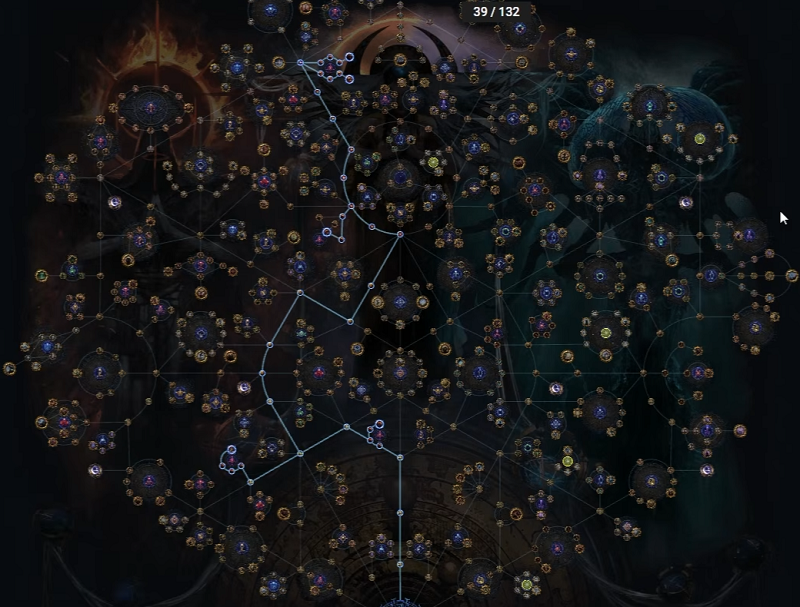
You can dedicate about 40 or fewer points to get all relevant nodes! With 138 Atlas points in 3.28, you can easily combine Heist with another mechanic (e.g., Expedition).
3. In-Map Farming (Heist Setup)
Always open Smuggler's Caches in your maps. You’ll get contracts, markers, and blueprints regularly thanks to atlas nodes. Pick up Deception contracts preferentially (most profitable, fastest to run/sell). Optionally, sell excess contracts and blueprints for early league currency.
4. Unlock & Upgrade Your Rogues
Unlock all rogues by completing a contract with each new one (progression is quick, just follow questlines). Level up rogues by running contracts with them, unlocking higher-tier jobs.
Best Rogues To Use: Karst (Lockpicking) and Gianna (Deception & Blueprints).
5. Running Contracts Efficiently
Focus on Deception and Lockpicking contracts: These are the fastest and best for currency. For Deception, just rush to the end: No doors lock, you can escape quickly. Side rooms are usually not worth detouring for (except Lockpicking currency chests). Sell heist items to Foustus for rogue’s markers.
6. Running Blueprints for Big Profits
Use Gianna (ideally) to cheaply reveal wings and select the most rewarding wings/rooms. Choose Blueprint reward rooms: Currency, Replicas, Enchantments, and Experimental Bases. Complete all wings (can leave after each to stash high-value loot if inventory is full or at risk). Don’t bother full-clearing reward rooms; prioritize speed and low alert.
8. Rinse, Repeat, Optimize
Move as quickly as possible; most profit comes from volume, not full clearing. Continue investing in speed and survivability. Sell Tartus/Unusual gems, Replicas, Deception contracts or run blueprints for potential jackpot drops (mirrors, divines, exalted orbs, high-tier bases, rare trinkets, etc.).
9. Transition When Ready
Use profits to gear up an Atlas-based mapping build if desired (Lightning Arrow Deadeye is smooth). You can branch out or pair Heist tree with Expedition for hybrid farming as your Atlas points grow.
12. PoE 3.28 Best Expedition Atlas Tree & Farming Strategy
Expedition remains one of the premier strategies for currency generation in Path of Exile 3.28, especially at league start. Its dig sites are self-contained, untimed, and very quick, allowing you to farm lots of maps with little lost time. Expedition monsters drop valuable artifacts, logbooks (with newly improved implicits), and league-specific currencies, all of which can be reliably turned into real wealth, especially when focused with the new Expedition Scarab of Infusion and supporting Atlas passives. With quality-of-life upgrades, potentially juicy interactions with the new Astrolabes and Mirage, Expedition is poised to be an exceptionally profitable and smooth mechanic for mapping this league.
1. Atlas Passive Tree Setup

A. Maximize Expedition Spawn Chance
Take all nodes that increase chance for Expedition spawns. Complete the ring of small passives and wheels (including "Hunt for Answers") for up to 92% chance from nodes + 8% baseline = 100% Expedition in every map.
Optional: Once using Astrolabes targeting Expedition, you can respec out of these spawn nodes for more power elsewhere.
B. Mandatory: "Extreme Archaeology"
Always path into 'Extreme Archaeology' cluster. Gives you “1 big boom” that detonates the entire Expedition at once and applies all remnants' modifiers. Huge quality-of-life; increases efficiency and loot per map. Take all connected passives for more remnants per Expedition and increased chance for extra remnant modifiers (more loot/mods).
C. 'Distinguished Demolitionist'
Take radius nodes: These increase the explosion size of your mega-boom (even more with Scarabs).
Note: Ignore the ‘Ancient Decay’ wheel (it’s bad value for points).
D. "Buried Knowledge" and Logbook Nodes
Buried Knowledge: Grants increased quantity of logbooks from Expedition runic monsters (logbooks are a major profit source and are juiced in 3.28!). Take any small nodes that improve chance for logbooks or reward types.
E. NPC Targeting Nodes
Target Tujen and Dannig (the two best Expedition vendors): Take nodes that increase their appearance frequency for even better returns; Rag and Gwennen are less priority but may be included as you fill out the wheel.
2. Scarab & Map Preparation
Use Expedition Scarabs:
Expedition Scarab of Infusion: Causes logbooks to have four implicits (huge value!) and scales monster toughness/rewards with more remnants. Always run if affordable.
Scarab of Rune Finding: Doubles runic monster markers; more logbooks, more currency/artifacts.
Scarab of Vericium Powder: Increases explosion radius; still synergizes even with Extreme Archaeology (bigger explosions = more loot out of every site).
Scarab of Archaeology: Adds extra suffixes and prefixes to all remnants. This juicing is very strong (more mods = better rewards), but be cautious: only use with strong builds!
You can run all four at once now with the new scarab or double up (e.g., two rune-finding) if needed for pack size/juice.
Tip: Don’t bother with plain expedition scarabs; always use value-increasing ones if possible.
Juice Your Maps: Roll your map for high quantity, pack size, and as many mods as your build can handle (reroll/corrupt for up to 8 mods). Map quantity and pack size DO affect Expedition monster and logbook drops!
3. In-Map Execution
When Expedition spawns, place your mega-bomb: With Extreme Archaeology: Plant your detonation such that you maximize hit remnants, runic monster markers, and chests, except avoid any mods your build can’t handle (e.g. chaos immunity for Caustic Arrow). Goal: Maximize number of remnants (mods = more rewards), maximize Runic monster markers (for logbooks/currency), and avoid deadly mods.
Clear the monsters, loot everything: Expedition monsters drop currency, artifacts, and logbooks—your core loot.
4. Logbook Running
Roll logbooks for high quantity/pack size: Prioritize logbooks with "Knights of the Sun" (Dannig) > Blackscythe Mercenaries (Tujen) > Order of the Chalice > Druids of the Broken Circle > Gwyn/Rog. Logbooks with bosses and side/underground areas are highest value.
Elevated implicits: look for “Double chest rewards”, “extra explosives”, “increased explosive range/radius”.
When running logbooks: Always hit all bosses and underground/side areas. Chain all possible remnants for value—just check for any mods that may brick you.
5. Vendor Strategy for Expedition Artifacts
Tujen: Sells raw currency. Historically, buy everything worth a chaos or more (in 3.28, may need to adjust cutoff upward because Exalts/Regals may be more valuable). Skip stuff worth less.
Dannig: Buy all Tujen currency and vendor refresh currency and logbooks when offered. No haggling, just buy.
Rog: Look for decent rare jewelry/weapons, buy, and quickly list for sale. Reroll if you want, but speed is key to league start profits.
Gwenn: Skip, as her gambling is usually the worst value.
6. Optional: Combo With Astrolabes or Mirage Mechanic
If using Expedition Astrolabes, you can re-spec out of spawn chance nodes and directly juice all Expedition in every map with extra modifiers. Watch for synergies with the new Mirage league mechanic: possible to double up Expedition in some maps, test for profitability!
13. PoE 3.28 Pure Legion + Red Alter Atlas Tree & Farming Strategy
The Pure Legion & Red Alter farming strategy in PoE 3.28 is an ultra-efficient way to generate wealth rapidly, letting players achieve high-value goals like Head Hunter within the first day of the league. The innovation in Mirage 3.28 is that all maps, regardless of base tier, can be run fully as red tier (T16), enabling players to access maximum-value Exarch (red) altars right from the start of mapping. Combined with Legion encounters, which provide a steady source of raw currency, six-links, and emblems, this approach delivers consistent profit and is exceptionally strong for league starts due to its simplicity, map sustain, and minimal reliance on trading or flipping.
1. Understanding Why This Strategy Works
All maps, no matter their base tier, can be elevated and run as T16 (red tier). This means from the onset, you benefit from the lucrative rewards from Exarch alters in every map—tons of raw currency, gems, scarabs, and more. Legion's combination of splinters, six-links, stack decks, emblems, and incubators brings in constant value.
2. Early Game Atlas & Map Setup
Focus purely on map blasting: No need to flip, sell carries, or do complex farming strategies. Keep progressing your Atlas as normal, but run every map as T16 as soon as possible. Roll maps simply with alchs/chaos for pack size and ignore map boss mods unless your build is weak early on.
3. Atlas Passive Tree
Spec heavily into Legion wheels:
Prioritize passives that grant: more Legion spawn chance, extra sergeants/generals, splinter quantity, and time on Legion monoliths.
Spec into Magic Pack Size nodes (e.g., Shaping the Skies, etc.):
Get all passives that increase altar spawn rate and enhance altar rewards/effects.
Take Red/Exarch Altars nodes: Get all passives that increase altar spawn rate and enhance altar rewards/effects.

4. Map Device & Scarab Choices
Full Legion Setup (When Scarabs Are Cheap, 1-3C):
Slot 3–4 Legion Scarabs (of any type, ideally one Officer, possibly a Treasure scarab if affordable).
OR mix with Scarab of Hordes or Magic Pack Size Scarabs if you want to juice alters even more.
Partial Legion & Pack Size Setup (If Scarabs Are Expensive):
2x Legion Scarabs, 2x Scarab of Lineage (magic packs), 1x Scarab of Hordes/etc.
General rule: Use whatever Legion Scarabs you have, and monitor their prices—if they get expensive, supplement with pack size scarabs.
5. In-Map Execution
Always activate the Legion monolith and clear as many frozen monsters as possible. Prioritize killing bosses and chests for six-links (still valuable in first few days).
Activate and complete all Exarch (red) alters:
Always choose currency/chance or loot over quantity.
The new league increases the number of alter options; sometimes you'll get triple drops.
Pick up all Incubators dropped, use Geomancer for six-links early, swap to Ornate (for divines) or Divers (for stack decks) after day 3–4. Sell six-links for divines early while they are highly valuable.
6. What Makes Currency
Raw currency: Chaos, vaal, regret, scour, GCPs, dropped in volume from alters and Legion chests/bodies.
Six-links: Sell early, especially useful for quick divine gains.
Incubators: Geomancer (early league), Ornate and Divers (mid-late league).
Legion Emblems and Splinters: Sell in bulk, especially Maraketh and Templar.
Stack decks: Always valuable; open or sell.
Map drops: You’ll have a great map sustain running this strat at T16.
Bubbegum currency: Even small drops add up fast with high volume.
7. Maintain Efficiency
Map fast, clear everything, loot what’s valuable, rinse and repeat. Don’t waste time in hideout—only pause to dump, identify six-links, and relist items. Don’t over-juice maps unless you have the gear; just maintain red alter and Legion in every map. Adapt your Scarab setup as market/prices and your resources change.
8. Optional Hybrids
You can add Breach or Strongbox if you want diversity or feel Legion prices have dropped, but pure Legion + red alters is a proven, low-scarab, reliable strategy.
14. PoE 3.28 Delirium Atlas Tree & Map Farming Strategy
Delirium farming in Path of Exile 3.28 offers a dependable way to generate currency, particularly if you enjoy running fast, linear maps and have a well-rounded character. By investing in affordable Delirium Scarabs of Paranoia (only about two chaos each at league start), you can get extra reward types from Delirium mirrors, boosting both your loot and your profits. While the returns are steady, with raw divines, cluster jewels, and assorted currency drops, you will need decent AoE, single-target damage, and defensive layers to tackle the increased challenge Delirium brings. The strategy fits best for players who don't mind selling a broad range of loot types and are comfortable refining their loot filter as needed.
1. Prerequisites and Map Setup
Before diving in, you’ll want to make sure your character is well-geared, since this content demands both strong AoE for clearing and single-target damage for bosses. Defensive layers are just as important, especially as the mirrored fog makes monsters tougher. The preferred map for this method is Strand, praised for its linear layout and ease of clearing. This process can be done on scoured maps, but applying an Alchemy Orb offers a slight improvement to loot without too much extra cost.
2. Preparing Your Maps and Scarabs
For each map run, use five Delirium Scarabs of Paranoia. With these, each mirror provides two extra reward types, noticeably increasing the number of reward tiles and boosting potential profit. When possible, pick up your Scarabs at a good price; the ones used here cost two chaos each, though prices may fluctuate.
3. Atlas Passive Tree Choices

Take all Delirium nodes, but avoid nodes that: Increase or decrease fog speed (unless you personally need fog to linger for more time due to slower clear). Increase the number of Delirium layers per map (generally not worth, as they dilute rewards).
Take King's March: For extra rewards/shipment events (occasional huge drops).
Block content: Block mechanics you don’t want to spawn (for faster mapping and fewer distractions).
Example Notables:
"Delirium Reward Type chance"
"Delirium cluster jewel chance"
"King's March" full wheel
Block Legion/Blight/Expedition if you don’t want distractions
6. Run Your Maps
How to Run:
Enter map, go straight through the Delirium Mirror and start clearing quickly.
Prioritize following the main path, clear as you move forward. Don’t double-back much.
Try to reach 6 reward bars ASAP, then rush the map boss, killing the boss adds one reward bar (aim for 7 total).
Try the delirium mirage/reflection if it spawns early, but don’t stress about hitting maximal rewards; focus is on efficiency.
If King’s March encounter (Reflecting Mist) appears, check for valuable rewards, but don’t waste time on low-value choices.
7. Looting & Loot Filter
The loot primarily comes from the Delirium reward tiles, so once you’ve capped your levels (generally around six or seven), rush to the exit. Picking up all loot can get overwhelming, especially with so many types dropping at once, so consider tightening your loot filter. For example, the text notes the user was “picking up too much oils” and suggests filtering out low-tier oils and legion splinters, which aren’t usually worth the time to pick up or sell.
8. Selling & Profits
Be ready to spend time selling your drops, since Delirium yields a wide array of loot: gravebinds, cluster jewels, currency, invitations, and rune graphs, with sales sometimes bringing in three divines for a single item. King’s March nodes can yield rare rune graphs and valuable currency, enhancing the overall return. For one 20-map session, the cost was about one divine, with returns of around 21 divines, though one lucky drop boosted that total. More realistically, the average sits at seven to eight divines per hour, with the time spent selling being a key consideration.
15. PoE 3.28 Delirium & Beyond Farming Strategy
In Path of Exile 3.28, the Delirium & Beyond farming strategy shines as a highly profitable, scalable mapping method thanks to cheap scarabs, plentiful monster packs, and the introduction of new currencies like Volatile Vaal Orbs and Refracting Fogs, which are valuable and in high demand. By stacking Beyond and Delirium bosses in each map and within the Mirage, you maximize the reward counter, yielding large amounts of delirium orbs, stack decks, cluster jewels, simulacrum splinters, and these new league-exclusive drops, making it a consistent high-profit, low-investment strat for strong clear builds.
1. Choose the Right Map
Jungle Valley T16 is preferred (compact, easy to keep bosses for later, great quadrant for currency rewards).
Alternatives: Strand (long, less control over bosses), Canyon or Beach.
2. Get and Prepare Maps
Buy T16 8-mod Jungle Valley maps, aiming for:
100%+ Quantity
40%+ Pack Size
To buy in bulk, filter recently listed maps with required mods for easy trading.
3. Roll Maps (Optional)
If rolling your own maps, prioritize high quant/pack size. Use “collapse” search on trade for quickest bulk acquisition.
4. Scarab Selection
Use these four scarabs EVERY MAP:
Resurgent Scarab - Adds +2 extra Beyond bosses on each Beyond spawn. Key for Volatile Vaal Orb farming in Middle Mirage!
Delirium Scarab of Neurosis - Adds +2 unique Delirium bosses (Kosis & Omniphobia) per map for easy counter extension.
Delirium Scarab of Paranoia - Adds +2 extra reward tiles, increasing potential for valuable reward types.
Any cheap mob-adding Scarab (Trade for extra density/clear speed if desired.)
5. Atlas Tree Setup
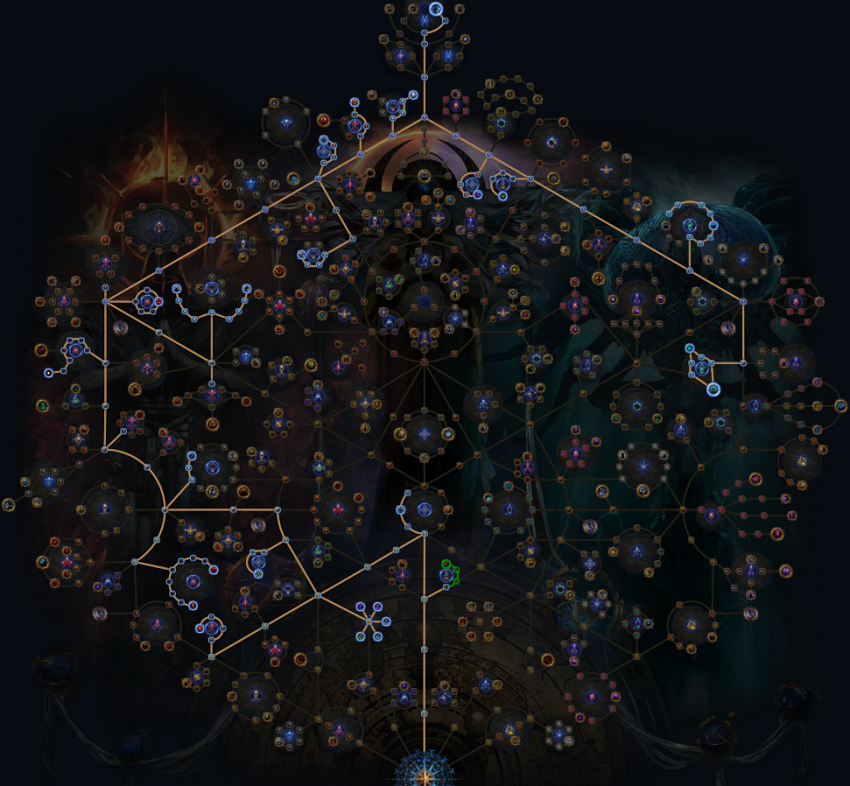
Take all Delirium & Beyond wheels.
Invest in “Delusions of Persecution” for extra rare boss chances.
Take “Compulsive Hoarder” for reward tiles/stacked loot.
Grab “Invasive Adversaries” (monster packs), Shrine nodes (free packs/buffs), and Ritual for more monsters. Take map effect, quant, & pack size nodes.
Synthesis Stability: Allows running the same map in Astrolabe for easy chaining.
Blocking unused content is optional for cleaner runs.
6. Astrolabe Use
Use a Mirage Astrolabe on Jungle Valley: run maps inside the mirage for even more density and another chance at Volatile Vaal Orbs. Astrolabe also adds bonus modifiers like more splinter drops or more delirium monsters as you run more maps in the chain.
7. Map Run Execution
Enter map, trigger Delirium, race forward, avoid killing bosses (Delirium & map) early!
Let your “reward count” climb through regular monster kills.
Once progression slows (6-8 reward tiles in), then kill unique Delirium bosses and the map boss for a big counter boost.
Each boss kill grants a “+1” to counter at late stages where natural progression is much slower!
Repeat in Mirage.
Focus on building counter before boss kills.
Volatile Vaal Orbs and Refracting Fogs can drop from bosses (especially in Mirage), so speed/efficiency here = profit.
Don’t worry about 100% clear, but get at least 8+ reward count before exiting per map for best returns.
8. What You Get & How to Sell
On average: high count of delirium orbs per map, tons of stack decks, cluster jewels, simulacrum splinters, Raw Divines, many scarabs, Volatile Vaal Orbs, Refracting Fogs, and currency drops.
Recently: ~1 divine profit per map, sometimes more, due to demand for unique orbs.
Bulk sell delirium orbs, new orbs, stack decks. Easy, fast currency.
9. Optimize for Your Build & Goals
Requires a strong clear-speed build (e.g., Poison BV, EK Ignite, etc.). Prioritize mapping speed over min-maxing every single tile; don’t stick in maps too long “for perfection”.
16. PoE 3.28 Essence Atlas Tree & Farming Strategy
Essence farming is a beginner-friendly, low-investment mapping strategy, ideal for new or returning players in the early part of PoE 3.28. Essences are always in demand for early crafting, and this league you can combo Essence farming with boss rushing, Destructive Play, and Heist contract farming for steady chaos income. This method is extremely fast to run, requires minimal gear, and can be executed in high-value T16 maps even with basic setups. Horror Essences and Blueprints are worth a lot early, while the whole strategy remains low stress and easy to scale into more advanced strats.
1. Build & Map Selection
Any strong, fast mapping build works (clear speed more important than bossing). Pick a repeatable T16 map with excellent layout for fast boss access—Silo is preferred (easy pathing from start to end). Since you are boss rushing and not full-clearing, ignore layouts with dead-ends or awkward bosses.
2. Atlas Passive Tree

Focus: Essence clusters and boss rushing.
Key nodes:
All small/large Essence clusters (especially "Amplified Energies", guarantees 1 Deafening Essence per encounter).
Crystal Lattice (gain more imprisoned essence monsters).
Avoid Crystal Resonance (the Vaal Orb node; it randomizes your Essences and reduces consistency).
Shaper/Elder/Conqueror map drop nodes—for bonus maps.
Destructive Play (for boss rushing synergy if desired).
Trial of Glory if you like chance for valuable Improved Offering of the Goddess drops.
Ignore:
Map quantity nodes (since you focus on essences and boss, not bulk clear).
Altar/Influence nodes (not relevant, keeps maps less dangerous/more profitable).
How to path: Start from map start, go down into all Essence clusters, path to Destructive Play if boss rushing, and pick up additional map sustain nodes as needed.
3. Scarab Setup
Essence Scarab ×2 (or higher rarity if affordable): +6 additional imprisoned monster packs per map (huge value for little cost).
Ascent Scarab (or Gilded Essence Scarab): Consistently upgrades or corrupts Essences (higher chance at profit).
Stability Scarab of (Essence): Ensures your Vaal Orbs always upgrade, not randomize, Essences if you use them.
Optional: Smuggler’s Cache/Heist Scarabs for more blueprints (extra currency income).
If you have a 4th slot: Any scarab (like Cartography for extra maps, or Ambush for extra strongboxes).
4. Actual In-Map Execution
Open map with above scarabs & modifiers.
Rush to every Essence: Stop for all Essence monoliths, defeat the packs, open the Essences; Fish specifically for Horror Essences (worth the most, 12–13c+ each); Secondary valuable Essences: Hysteria, Insanity (~7c); Ignore/sell cheap ones; focus time on higher-value farming.
Look for Smuggler’s Caches: Open for Heist blueprints; can sell for 9–10c unrevealed, 30–40c revealed.
Finish at Boss (Destructive Play style):
If you want to keep running Silo over and over for Destructive Play: Trigger Maven witness and spawn all bosses, but do NOT kill the main map boss. Kill all Maven-spawned bosses (for potential bonus drops like Shaper/Guardian maps). Immediately leave the map without killing the map boss—this keeps Silo incomplete, so you can farm it repeatedly for invitations.
If you don’t care about repeating Silo, just finish the boss and complete map.
5. Rinse & Repeat
Map cost: 4–5 chaos per run (scarb combo is cheap!)
Cycle again and again: You rapidly build up valuable Essences, a few Heist blueprints, and extra maps from boss drops. Sell Horror/Insanity/Hysteria Essences for most of your profit. Heist blueprints are bonus, and random currency drops pad income.
Optional: Pause for Trader for bulk selling (bulk high-tier Essences move quickly).
17. PoE 3.28 Mesa Scarab Astrolabe Boss Rush Farming Strategy
The Mesa Scarab Boss Rush is a new league-start farming strategy using the Templar Astrolabe modifier that causes map bosses to drop 3 additional scarabs. By focusing on rushing the boss in T16 Mesa maps that have rolled this modifier and scaling the number of bosses in each run using the Mirage mechanic and Domination Scarabs, players can quickly accumulate massive stacks of scarabs, maps, and currency (including lots of divines) with minimum time investment and basic gear. This strategy is powerful in 3.28 because the Astrolabe scarab mod is now much more common and can even stack, making consistently juiced boss kills possible on league start, something not previously achievable with older mechanics.
1. Choose Your Map and Set Your Atlas Section
Focus on the Mesa Map (Tier 16, Bottom-left quadrant of the Atlas), or other maps you roll the modifier on. You must be in the bottom-left quadrant for access to the right Astrolabes, Vaults, and layout bonuses.
2. Set Up Templar Astrolabe
Use Templar Astrolabes on your Mesa Map (or any other high-tier map in this quadrant).
Hunt for the modifier: "Final Boss drops three additional Scarabs", This mod is very common (appeared 15/18 times in recorded tests), can stack, and can appear on multiple maps per Astrolabe.
If you don't get the “three scarabs” mod, just run the boss quickly until you do, or skip unproductive blobs.
3. Prepare Your Scarab Setup
For every map with the "three additional scarabs" mod:
Use these scarabs:
1x Domination Scarab of Terrors
4x regular Domination Scarabs
Run Scoured (or basic-rolled) tier 16 maps for speed. If your build and investment allow, juice maps more for bonus loot.
4. Atlas Passive Tree
Mandatory Node:
SYNTHESIZED STABILITIES (crucial – this is what enables the massive Mirage spawning!).
Core Atlas wheel choices:
Anything that buffs Atlas boss drops.
Shrine nodes (for extra bosses via Mirage).
Map drop scaling nodes (for more maps and snowball potential).
Exarch Altars (applies to final map boss; can give 40+ raw chaos, essence, etc. if you hit a good one).
Optional: Nodes for extra rare and magic monsters (can help density, but not as huge for this strat).
NOT required: Scarab influencing nodes (doesn’t seem to significantly affect boss scarab drops).
5. Running the Maps ("The Rush")
Chain through your Astrolabe blob as fast as possible:
Rush the map boss; ignore most side content.
Check for the “3 additional Scarabs” mod on every newly available map.
When you find it, use your Scarabs setup and run that map.
Domination Scarab of Terrors + Mirage shrines will spawn loads of extra bosses. On average expect 18 bosses per map (~50 scarabs/map). The Mirage system often spawns 5 or more extra bosses per map!
6. Use the Mirage Mechanic
Mirage bosses can drop Mirage full maps and Originator-influenced Mirage maps (worth up to 150c each!), but do not drop Astrolabes or exceptional gems; normal mob density is less relevant.
NOTE: If you find the “three-Scarabs” mod early in a blob, don’t kill the True Map Boss, this keeps the difficulty scaling low across your blob! If you finish the map, boss HP and damage increase on the next.
7. End-of-Blob and Extra Profits
If you finish an Astrolabe blob, the Vault reward room in this quadrant is loaded—Divines, full stacks, and unique drops. If maps get too hard, skip killing the True Map Boss to prevent scaling.
8. Sell Loot and Reroll
Most income comes from scarabs, Mirage map sales, raw divines/chaos, and valuable random drops from the Vault. Vendor trash scarabs to upgrade them, usually more profit this way. As your wealth increases, consider juicing maps more for even better returns.
18. PoE 3.28 Best Beast Atlas Tree & Farming Strategy
Beast farming in Path of Exile 3.28 (Mirage League) is better than ever due to both game and trade updates. Beasts, used for crafting and trading, are now extremely valuable and sell lightning-fast on trade sites, offering great returns with minimal setup or competition—especially now that yellow (rare) beasts can be sold efficiently. The strategy is perfect for fast mapping, leveling, and earning currency concurrently, as you race through basic white maps, collect quest-crafting beasts, and list them for instant profit. With the right Atlas tree and Scarab setup, you’ll be identifying and farming the highest-value red and yellow beasts with little effort, and your creatures will fly off the shelf.
1. Atlas Passive Tree Setup

Goal: Specialize in two types of beasts for profit, maximize beast spawns and red beast chances, and block unnecessary mechanics.
Take the majority of Beast nodes: Prioritize branches that increase the number of beasts, Einhar spawns, and chances for beast duplication.
Lock-in a Beast Type: Specialize in TWO categories for focus and big ticket items (recommended: Wilds for wild bristle matrons, black morgans, etc., and Deep for cray camaros/frogs; add Sands for jackpots like vivid vultures).
Crucial Nodes:
Take the node that causes yellow beasts to have a 15% chance to be replaced with a red beast.
Natural Selection: “Beasts in your maps are more likely to be less common varieties,” making rare, valuable beasts more likely to spawn.
Skip “Two-Hearted Hunt” unless you want min-maxing; it makes beasts much harder.
Block Other Mechanics: Unblock only Ore (farming Ore alongside Beasts is efficient and lucrative).
Invest leftover points in increasing chances for Incarnation Dread (Memory Invitation) drops and other boost nodes, as these drop valuable invitations.
2. Prepare Scarabs for Mapping
You need five scarab slots in your map device:
2x Beast Scarab of the Herd: Adds additional red beasts to each map (your main profits).
2x Beast Scarab of Duplication: All beasts you capture will be duplicated, doubling your haul.
1x Calgarian Scarab: For extra monsters (optionally, more currency), usually costing 1C each.
Maps cost about 6–7 chaos per run with this setup.
3. Select and Prepare Maps
Any Tier 16 White Map (scoured, basic is fine, map mods do not influence beasts). Optionally, add your preferred influence (Blue/Eater is good for divine altars). Roll maps white for speed (don’t worry about pack size or mods).
4. Running and Clearing the Maps
Enter the map, focus on hunting red beasts (giant, unique-looking monsters) and yellow beasts (sketchy art icons).
Let Einhar capture beasts; kill packs fast and move to next.
Learn to identify valuable targets:
Large spider with white dots: Phenomal Plague Arachnid (imprints).
Giant tiger: Feric Tiger Alpha.
Bear/dog with purple spikes: Wild Bristle Matrons/Backs.
Bear-antelope hybrid: Black Morgan.
Jumping frog: Cray Camaro.
Big jackpot: Red vulture with tentacles: Vivid Vulture.
Red Beasts You Want:
Any beast with blue or lots of dots is usually good too.
Maps are done in 1–1.5 minutes: Rinse and repeat!
5. Emptying The Menagerie & Selling Beasts
Your Menagerie fills up every ~20–30 maps. Open [relevant pricing site] and paste your beast list to quickly sort by value (e.g., POE.re, etc.). CTRL+Click to withdraw valuable beasts for sale (typically, any beast worth 5c+). Sell beasts via trade site; they usually sell instantly! Undercut slightly for very fast results. Dump and delete worthless/useless common beasts to make room. Don't let valuable beasts sit in the managerie, always sell first. Repeat the process: farm, sell, profit.
6. Extra Tips
Leveling: This is also a premier way to gain experience for high-level characters due to the sheer number of mobs killed per map.
Quicklists: Always compare beast prices per league, as demand and prices can change.
Avoid mistakes: Don’t drop valuable beasts on the ground or let the managerie overfill,
PoE 3.28 Best Atlas Tree & Mapping Plans for SSF (To Be Updated)
Solo-Self Found (SSF) players face different challenges, fewer trade opportunities and the need to self-farm all gear. Here is how to approach mapping:
SSF-Focused Atlas Tree Strategies:
Breach and Genesis Tree: The continued dominance of the Genesis tree encourages focusing on Breach, as it offers powerful early-game items and crafting flexibility needed when you lack access to trade. This may feel repetitive over time, but remains extremely effective for gearing and bootstrap crafting.
Essence for Gear Upgrades: Early essence focus provides a steady stream of deterministic crafting materials, making it easier to craft multi-resistance and high-life gear essential for mapping in SSF.
Delve (Nico) Power Nodes: Taking Nico’s nodes—especially for the temporary buffs through Sulphite or for delving for fossils, can generate strong early power spikes and crafting bases.
Scouting and Sustain: Nodes that produce more comprehensive scouting reports reward the search for specific map completions and boss encounters. Maintaining high map pool and tier sustain is especially vital in SSF to avoid progression bottlenecks.
Expedition and Betrayal: As gear improves, pivoting into expedition or betrayal not only adds to currency throughput but provides exiles and rare mobs with substantial item pool expansion, helping round out otherwise missing crafting or gear drops.
SSF players benefit from being selective. Investing heavily in map sustain and build-compatible league mechanics rewards players who specialize rather than spread their atlas points thinly. Mirroring trade strategies might be tempting, but focusing on sure-returns mechanics like breach and essence remains more reliable for self-found play, particularly before powerful endgame gear is in hand.