


In Path of Exile 2 patch 0.4, the endgame economy has started to split into two very different worlds. On one side, Temple farming continues to flood the market with raw currency, rapidly devaluing anything that can be mass-produced. In this article, we'll break down the top 2 best Abyss Atlas tree strategies.
Path of Exile 2 0.4 Abyss Farming Guide
This is a high-investment, high-scaling Abyss farming strategy designed to print raw PoE 2 currency and target-farm high-end Abyss Omens, specifically Omen of Light and Omen of Abyssal Echoes. Hedge against Temple currency hyperinflation by focusing on items that cannot be mass-produced via Temple farming. It’s an Abyss-only, league-mechanic-light strategy, making it ideal for players who want consistent returns without learning complex new mechanics.
Why Abyss Is Strong in Path of Exile 2 0.4?
Temple farming floods the market with generic currency. Abyss-exclusive omens retain value because they are crafting-critical. Demand increases as the league progresses. Supply cannot be inflated via Temple. This makes Abyss Omens a long-term value hold, not just short-term profit.
No.1 PoE 2 0.4 Best Abyss Strategy To Print Omens
Core Requirements of PoE 2 0.4 Abyss Atlas
Maps are T15 corrupted, 6-mod minimum. Ideally for Vaal → T16 with 6 mods, or 8-mod corrupted maps. Why this matters is because Abyss rewards scale multiplicatively. Each added modifier compounds:
Monster difficulty
Quantity
Omen drop chances
An alched T15 is not sufficient. This strategy relies on extreme scaling. Map Safety. One portal only
Must regex out:
-max res
penetration
If you die once, the map is bricked.
Tablet Setup (Extremely Important)
Mandatory Modifier
Abyssal modifiers and map have increased difficulty and reward for each closed pit. This is the backbone of the entire strategy. The strategy intentionally stacks Abyss pits. Each closed pit makes the map harder and dramatically increases reward scaling.
Additional Abyss Count
You want as many pits as possible, via chance to contain 4 additional Abysses and map contains an additional Abyss (guaranteed)”
Important clarification:
Multiple Abyss tablets do not stack base Abyss count. Only specific modifiers add more pits.
Tablet Combinations
Most cost-efficient setup are 3 Abyss tablets. Alternatives are Boss empowerment and generic scalers (monster effectiveness > rarity). Delirium is optional but not required.
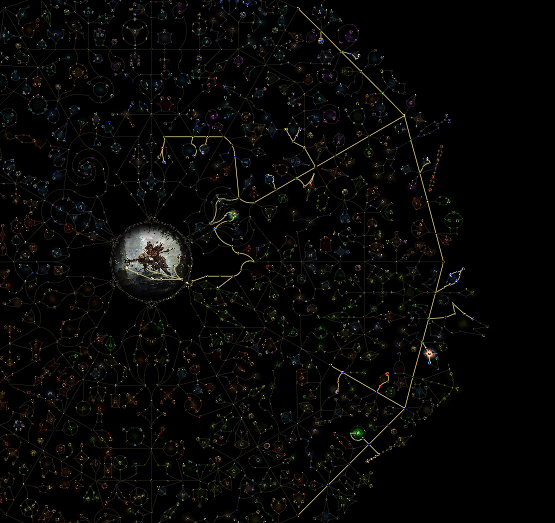
Atlas Passive Tree Breakdown
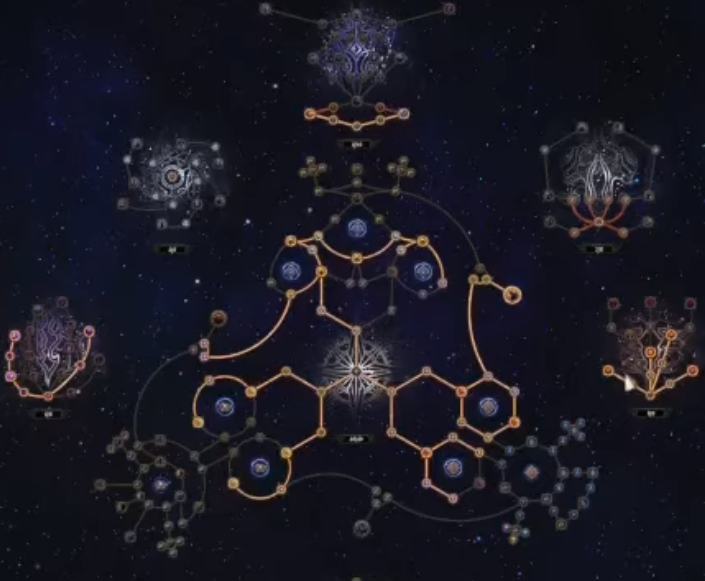
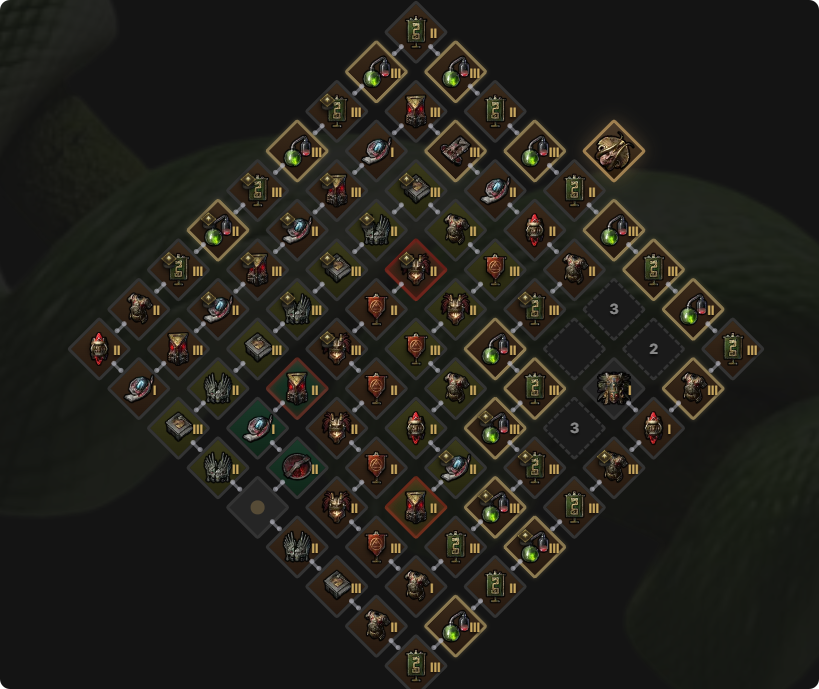
1. Abyss Nodes (All 8 Required)
Absolutely mandatory.
2. Most Important Node
Far-right exit node from Abyss pit. Grants 25% increased effectiveness of Abyssal monsters. Why this matters:
Abyss monster effectiveness = more quantity
More quantity = more omen rolls
Directly increases Omen of Light / Abyssal Echo odds
3. Secondary Abyss Node
Nearby maps are overrun by Abyssal monsters. Guarantees high pit density. Excellent final point.
Supporting Atlas Choices
Tablet effect scaling
Shrines critical for survivability. These maps are extremely dangerous.
Optional:
40% increased chance to drop basic currency
Unspeccing small quant/rarity nodes
Taking Local Knowledge for swamp/water maps
Best Maps to Run
Ideal for Cleansed Areas
Extra monster packs
Currency-biased drops
Potential +1 monster level
High-tier bases at T16
Reality is not required. Strategy works on any map. Map choice only matters if you want bonus divines/bases.
No.2 PoE 2 0.4 Best Abyss Atlas Tree Budget
This is a mid-budget Abyss-focused mapping strategy designed for steady profit without extreme investment. The core idea is simple. Stack rarity + rare monsters, abuse Abyss monster density and convert monster count → quantity → currency.
Target Budget
20–25 Exalts per map
Not cheap, but very accessible for mid-game players
Scales well without needing perfect rolls
Map & Tablet Setup
Tablets (Key Part of the Strategy)
Mandatory Mods
+2 Additional Rare Monsters
+25% Increased Rarity
These two mods are non-negotiable. They directly scale currency drop Abyss monster effectiveness. Overall profit consistency.
Optional Mods (3rd / 4th Slot).
Pick useful but cheap mods, examples:
Extra base monsters
Bonus experience
Secret currency chance
Increased Waystone quantity
Avoid “Effectiveness” stacking here: Yes, it’s stronger. Not cost-efficient for a mid-budget strategy. Rarity + Rare Monsters give the best value-per-exalt.
Maps
Primary Choice
~45% Rarity
~20 Rare Monsters
Cost: ~5 Ex per map
This hits the sweet spot between cost and returns.
Alternative
60% Rarity maps
Cost: ~10 Ex per map
Slightly better results, but worse ROI. For mid-budget efficiency, 45% rarity maps are optimal.
Gear Requirements (Very Important)
109% Increased Rarity from:
Rings
Amulet
This strategy relies heavily on player rarity.
Without rarity. Abyss rare monsters lose value. Currency return drops sharply. Profit becomes inconsistent. This is the biggest downside of the strategy.
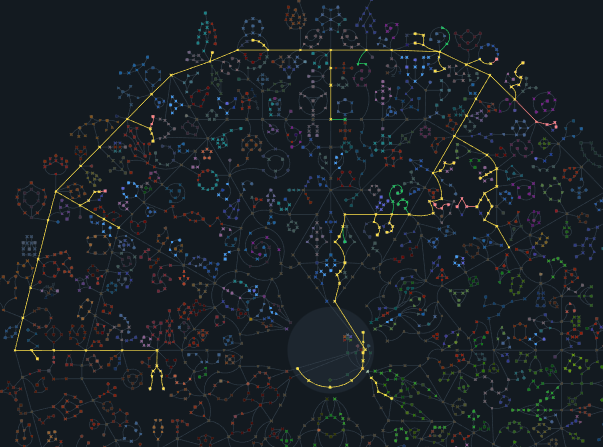
Atlas Tree Setup
This is a standard endgame Atlas tree, used consistently since 0.1–0.2.
Core Focus
Explicit Modifier scaling. More modifiers = more quantity & rarity. Directly boosts loot output.
Local Knowledge – Skipped
Requires:
Swamp + Water biome targeting
Separate map routing
Adds complexity for marginal gains. Skipping Local Knowledge simplifies execution and keeps the strategy consistent across all biomes.
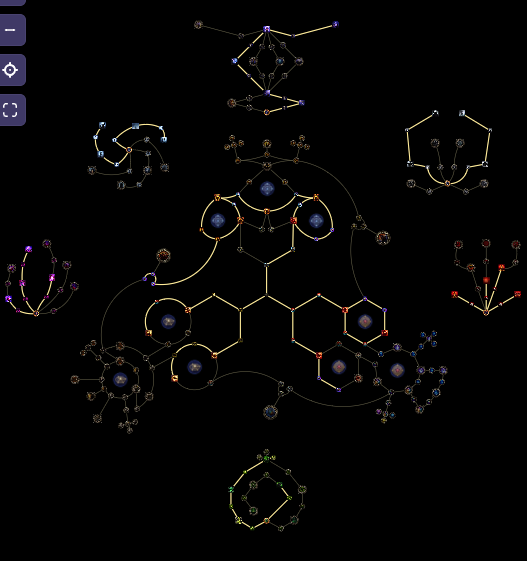
Abyss Passive Tree (The Engine)
Must-Have Nodes
Acid Swarm
+1 additional Abyss
5% chance for Abyssal Overrun
Massive density boost
From Out of the Pits
More monsters
Abyssal Modifier Nodes
More modifiers = more quantity & rarity
Abyss Monsters Loyal to Man
Increases Effectiveness
Effectiveness = pseudo quantity (new 0.4 mechanic)
This setup turns Abysses into loot explosions.
50-Map Results Summary
Time Investment
< 4 hours total
~4–5 minutes per map (build dependent)